Top 10 Types of Vape 50k Puffs for Global Buyers?

Time:2026-11-21 Author:Sophia
0%

“Vape 50k Puffs” is a product label, not a standardized measure of real-world use. A device’s actual lifespan can vary with draw length, power settings, and testing methods. The number sounds precise. But comparisons need care.

Grand View Research valued the global e-cigarette and vape market at $28.17 billion in 2023. That commercial market estimate describes the wider category, not sales or performance of 50,000-puff products. The World Health Organization’s 2024 reporting estimates at least 100 million people use e-cigarettes worldwide. Neither source independently verifies puff-count claims. That distinction is easy to miss when product specifications look exact.

There is also no widely recognized, independent expert benchmark specifically for “Vape 50k Puffs.” Rather than inventing one, this guide uses a relevant public-health warning from WHO expert Dr. Rüdiger Krech: “E-cigarettes are harmful to health and must be regulated.” His statement concerns e-cigarettes broadly, not a specific device or puff count. The comparison ahead focuses on device formats, stated specifications, and the limits of available evidence. Readers should check product documentation and applicable local requirements. A high advertised count alone does not establish consistent performance, product quality, or suitability. The categories can still help buyers compare features. Some details remain uncertain.
Top 10 Types of Vape 50k Puffs for Global Buyers?

What “50,000 Puffs” Means and How Puff Counts Are Estimated

A “50,000-puff” figure is an estimate, not a universal measurement of how long a device will last. It depends on the test setup, liquid supply, device output, and the length of each draw. ISO 20768:2018 specifies a machine-testing profile using 55 mL puffs lasting three seconds, spaced 30 seconds apart. Change that profile, and the counted total may change too. That is the catch.

In practice, longer or more frequent draws can use liquid faster than a controlled test suggests. The National Academies’ 2018 report, Public Health Consequences of E-Cigarettes, notes that device design and operating conditions affect aerosol emissions. Puff-count estimates should therefore be read alongside the testing method, not as a guaranteed personal-use duration. A useful check is whether the seller explains the puff duration and testing conditions behind the number. If those details are missing, the estimate is hard to compare. Even careful calculations have limits; real use is not a laboratory routine, and the number can look more precise than it is.

Key Features Used to Classify High-Puff Vape Devices

Top 10 Types of Vape 50k Puffs for Global Buyers?
Key Features Used to Classify High-Puff Vape Devices

High-puff devices are better compared by construction than by puff claims alone. A “50k puffs” figure is generally an estimate, not a universal test result. Actual use varies with draw length, frequency, and device settings. Numbers can mislead.

Useful classification points include e-liquid capacity, battery size, coil design, and airflow. Some models use a rechargeable battery; others have different power arrangements. A screen may show battery level or liquid status, while simpler devices provide no readout. These details affect everyday handling, but they do not prove a puff-count claim. Clear product specifications and consistent testing methods make comparisons more credible.

Tips: Compare stated capacity, charging details, and testing conditions. Check whether the displayed status is measured or estimated. Keep the packaging and instructions for reference.

For global buyers, documentation matters as much as visible features. Check the device’s materials, operating instructions, and available safety information. Confirm that its design and sale comply with rules in the destination market. Retail descriptions can omit important limits, and even a careful comparison may leave unanswered questions. That uncertainty is worth acknowledging. A well-classified device should be described with measurable features, not just a large number on the box.

Ten Types of 50,000-Puff Vapes Available to Global Buyers

Ten Types of 50,000-Puff Vapes Available to Global Buyers

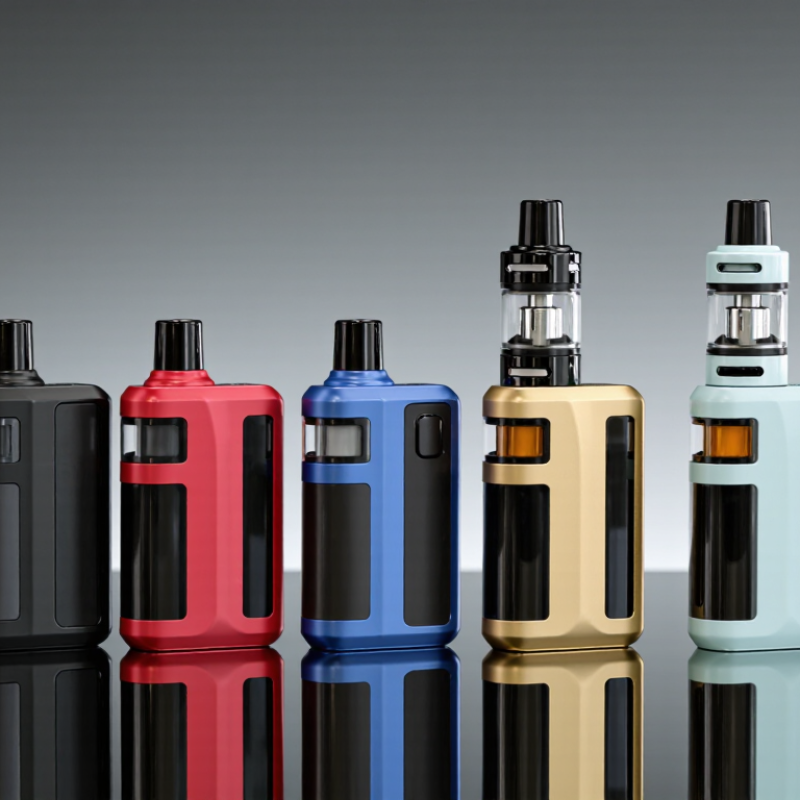
Products advertised for up to 50,000 puffs come in several designs, but that figure is a manufacturer estimate, not a guaranteed count. Draw length, power settings, and airflow can change actual use. Ten common formats include compact pod-style, pen-shaped, box-shaped, single-mesh-coil, dual-mesh-coil, adjustable-airflow, adjustable-power, screen-equipped, transparent-tank, and rechargeable models. These are design distinctions, not proof of performance or safety. Check the device’s instructions, battery specifications, and age restrictions before purchase.

Look closely at practical details. A clear reservoir makes liquid levels easier to inspect; a screen can show battery status; adjustable airflow changes the feel of each draw. Yet extra features do not confirm the advertised puff total. Small print matters. The WHO’s 2023 global tobacco report reported that 34 countries had banned e-cigarette sales, while 88 lacked a minimum-age rule and 74 had no e-cigarette-specific regulation. Rules differ and may change, so buyers should check current local requirements rather than assume a product is permitted.

A product label is not an independent test. Compare stated liquid capacity, charging method, and safety warnings, and be cautious when sellers provide no clear specifications. One limitation remains: puff estimates are difficult to compare across devices because testing conditions vary. That deserves more scrutiny.

How the Device Types Differ in Design, Capacity, and Use

A “50,000-puff” label describes an estimate, not a guaranteed lifespan. Actual use varies with draw length, airflow, and device settings. Design affects handling, too. Slim bars fit easily in a pocket, while rounded bars may feel steadier in the hand. Box-shaped devices often provide more room for a display or larger battery. Pen-shaped models favor a narrow, simple profile. Small differences become noticeable during daily handling.

Other formats focus on specific features. Transparent-shell designs show some internal components, while screen-equipped models display information such as battery level. Dual-mesh heating systems and adjustable-airflow designs offer different draw characteristics. Rechargeable models can reduce downtime, but they still need suitable charging and careful handling. Replaceable-pod formats separate the reservoir from the main device. These categories overlap; they are not a universal ranking of the ten best types.

For global buyers, compare verified dimensions, liquid capacity, battery details, and clear safety information rather than relying on puff count alone. Ask how the figure was measured. A long estimate can be misleading if test conditions are missing. Packaging and instructions should be legible and consistent. That matters. Even careful comparisons have limits: real-world use rarely matches a controlled test, and product descriptions do not always explain that gap.

Global Buying Considerations: Regulations, Labeling, and Safety

For global buyers, a “50,000-puff” claim is a marketing estimate, not a standardized measure. Actual yield varies with puff length, airflow, and device settings. Ask suppliers for test methods and batch-specific records, not just a product sheet. Numbers can mislead.

Regulatory requirements differ by destination and can change. Before ordering, confirm local rules for product category, permitted ingredients, nicotine limits, packaging, and import documentation. Consult official regulator guidance or qualified local advisers; do not rely on a seller’s broad “compliant worldwide” claim. Labels should clearly state ingredients, nicotine strength where applicable, warnings, responsible business details, batch code, and storage instructions. Check the actual package for clear, legible text. Tiny print matters.

Safety evidence matters more than glossy photos. Request independent test reports linked to the batch, along with battery and charger safety documentation. Inspect seals, leaks, damaged casing, or unusual heat; stop using a device showing these signs. Keep devices away from children and pets, and follow the charging and disposal directions. I would still question very high puff counts: even complete records cannot predict every user’s experience.

FAQS

What does “50,000 puffs” mean?

It is an estimate based on specific testing conditions, not a guaranteed lifespan. Real use varies.

Why can actual puff counts differ from estimates?

Longer draws, frequent use, airflow, and device settings can change liquid consumption. A laboratory routine is not everyday use.

What testing details should a seller provide?

Ask for puff duration, spacing, and the test method. Without these details, comparisons are difficult.

Which device features are useful to compare?

Check stated liquid capacity, battery information, coil design, and airflow. A screen may show estimated status, not a direct measurement.

Do visible features prove a puff-count claim?

No. Product specifications help describe construction, but they do not verify the stated total. Numbers can mislead.

What information should product packaging include?

Look for clear ingredients, applicable strength details, warnings, batch codes, storage instructions, and responsible business information. Tiny print matters.

How can buyers check rules in their destination market?

Confirm current local requirements through official guidance or a qualified adviser before ordering. Rules can change.

What safety signs should users watch for?

Check for leaks, damaged casing, broken seals, or unusual heat. Stop using a device with these signs, and follow its charging and disposal instructions.

How should devices be stored?

Keep them away from children and pets. Even complete records cannot predict every user’s experience; I still find very high claims hard to trust.

Conclusion

Vape 50k Puffs describes a category of high-capacity vaping devices, but the puff figure is an estimate rather than a guaranteed measure of use. Actual results can vary with draw length, frequency, device settings, and other design factors. Devices in this category may be compared by features such as battery capacity, e-liquid volume, airflow, heating system, shape, and charging options. These features help explain why products with similar advertised puff counts can differ in size, operation, and intended use.

This overview groups ten broad device types and outlines how their designs and capacities may suit different preferences, without treating any puff-count claim as a performance guarantee. Global buyers should also check product labeling, ingredient and safety information, age restrictions, and the rules that apply where they live before considering a purchase. Clear documentation, responsible handling, and careful attention to device condition are important when evaluating any vaping product.


Sophia

Sophia

Sophia is a dedicated marketing professional with an exceptional depth of knowledge about her company's products and services. With a keen understanding of market trends and customer needs, she crafts insightful blog posts that not only inform but also engage readers, enriching the company’s online......