Next-Generation Disposable Vape Hardware, OEM/ODM Engineering Protocols, & Global Wholesale Distribution Resilience
Direct-from-factory inventory optimized for high puff counts, flavor integrity, and international compliance.
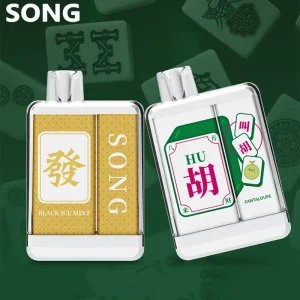

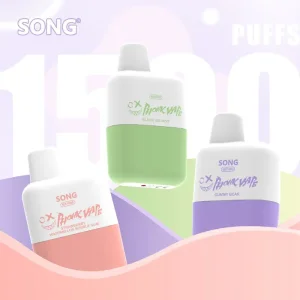

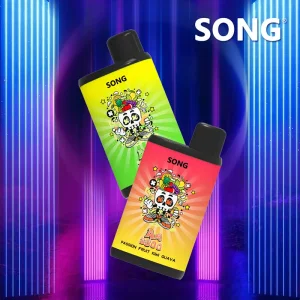
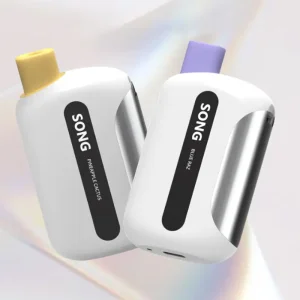
Analyzing procurement metrics, Total Cost of Ownership (TCO), and engineering advantages when sourcing directly from discount Air Bar vape manufacturers.
In the highly competitive international electronic nicotine delivery system (ENDS) marketplace, sourcing from established discount Air Bar vape manufacturers & factories represents a decisive strategic advantage for distributors, brand owners, and high-volume retail chains. As consumer preferences shift toward extended puff counts, intelligent battery management, and complex botanical flavor formulations, the gap between tier-one original equipment manufacturers (OEMs) and secondary brokers has widened significantly.
Evaluating an OEM manufacturing facility requires assessing technical capability, regulatory agility, and supply chain transparency. Modern vape production has progressed beyond standard assembly; it now involves precision fluid dynamics, thermodynamic coil engineering, micro-controller unit (MCU) programming, and zero-defect cleanroom manufacturing. Importers can leverage direct factory partnerships to reduce per-unit costs, protect operating margins, and maintain strict compliance across international jurisdictions.
Inside the R&D innovations driving heating consistency, smart UX integration, and leak-free airflows.
Utilizing micro-etched FeCrAl mesh sheets with alternating firing algorithms to prevent coil degradation, preserve e-liquid flavor balance, and sustain crisp vapor reproduction over 10,000+ puffs.
Integrated low-power microcontrollers pair with digital HD displays to track e-juice reserve percentages, battery life, and real-time wattage output, enhancing user convenience and satisfaction.
Engineered with multi-stage condensation traps, food-grade PCTG silicone seals, and independent airflow chambers that eliminate spit-back and maintain air tightness during air transport pressure changes.
The technical architecture of modern Air Bar devices relies on precise thermal control. Traditional single-wire coils often suffer from thermal decay, causing flavor degradation halfway through the e-liquid reservoir's lifespan. By implementing Dual-Mesh Core Firing Protocols, current Air Bar vape factories distribute thermal stress across two distinct heating matrices.
| Engineering Specification | Standard Generic Disposable Vape | Air Bar Factory OEM Standard | B2B Distributor Commercial Advantage |
|---|---|---|---|
| Atomization Core | Single Wire Spiral Coil (1.2Ω) | Dual FeCrAl Mesh Grid (0.6Ω - 1.0Ω) | 50% increase in flavor retention & zero burnt taste. |
| E-Liquid Reservoir | Open Storage Synthetic Cotton | Oil-Coil Separation (OCS) / PCTG Tank | 24-Month shelf life with minimal oxidation and flavor degradation. |
| Battery Management | Basic Lithium Cell (Uncalibrated) | Pure Cobalt Grade-A Cell + Smart MCU | Constant voltage discharge curve for uniform puff density. |
| Leakage Mitigation | Single Rubber O-Ring | 5-Layer Silicone Labyrinth Seal | Defect rate dropped to under 0.05% during shipping. |
Why the Dongguan-Shenzhen industrial corridor remains the undisputed center for high-volume, cost-effective vape manufacturing.
The term "Discount Air Bar Vape Factory" refers to structural efficiency, vertical integration, and material cost optimization—not compromised quality. Over 95% of global electronic vaporizers originate within China's Pearl River Delta industrial cluster. This concentration creates unmatched advantages across every step of the manufacturing lifecycle:
Direct sourcing of food-grade PCTG polymers, high-purity pharmaceutical nicotine salts, and raw battery materials within a 30-mile radius drastically cuts transit times and reduces component acquisition costs.
Fully automated Surface Mount Technology (SMT) lines combined with robotic high-precision e-liquid injection systems eliminate human error and maintain tight fill-volume tolerances.
Operating Class 100,000 dust-free cleanrooms certified to ISO 9001 and ISO 13485 medical device management systems guarantees absolute purity and safety for end consumers.
By bypassing multi-layered broker networks and sourcing directly from China's OEM factories, brand owners typically capture a 35% to 55% reduction in COGS (Cost of Goods Sold). This margin buffer allows brand managers to run aggressive promotional campaigns, offer competitive distributor pricing, and fund continuous product iteration.
Tailored hardware configurations designed for regional compliance rules and localized consumer taste preferences.
Configuration Requirement: 2.0mL Maximum E-liquid Capacity, ≤ 20mg/mL Nicotine Concentration, TPD Registered Emission Testing.
Factory adaptations feature micro-chassis profiles optimized for high-efficiency atomization, tactile child-resistant locking mechanisms, and pre-printed ECID registration compliance packaging.
Configuration Requirement: 10mL to 20mL High-Volume Reservoirs, Rechargeable Type-C Pure Cobalt Batteries, Dual Power Output Control.
Engineered for markets prioritizing long lifecycle devices. Equipped with LED smart battery monitoring, customizable airflow toggles, and high-concentration cooling agents suitable for warm regional climates.
Configuration Requirement: Unique Shell Molds, Bespoke Pantones, Proprietary Flavor Profile Formulations.
Turnkey brand creation service where the factory handles structural CAD design, rapid 3D sample prototyping, MSDS formulation certification, and retail packaging production.
Comprehensive safety certifications protecting importers against legal friction and customs delays.
Navigating global regulatory landscapes requires a manufacturing partner with dedicated compliance infrastructure. Our factory protocols ensure every product series manufactured under the Air Bar umbrella possesses full regulatory documentation required by customs agencies and health departments worldwide:
Explore specialized flavor lines, high-puff hardware, and premium custom OEM platforms.

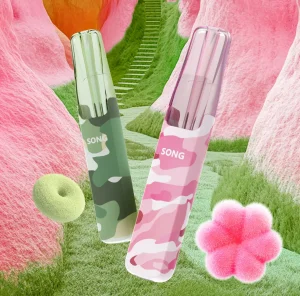

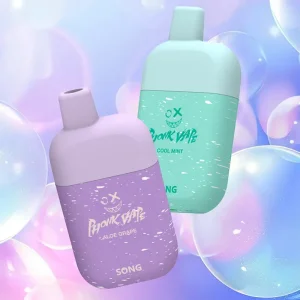
Expert answers addressing commercial terms, factory quality control, and international logistics.
Sourcing directly from an established China manufacturing facility removes 3 to 4 layers of middleman markups (importers, master distributors, regional brokers). This direct channel reduces hardware cost by 35%-55%, grants direct access to customization engineering, and provides first-hand batch quality guarantees backed by factory RMA policies.
For standard catalog configurations (stock colors and master flavors), initial trial order MOQs start as low as 1,000 to 3,000 units per flavor. Fully customized OEM projects—including unique chassis tooling, specialized pantones, and custom retail packaging—typically require 10,000 units per model to optimize factory line calibration.
Flavor stability is guaranteed through in-house automated e-liquid blending, precise specific gravity testing, and gas chromatography-mass spectrometry (GC-MS) verification. E-liquids are stored in temperature-controlled stainless steel vats before automated vacuum injection, preventing oxidation and maintaining exact profile replication from batch to batch.
Yes. Our engineering team routinely manufactures TPD-compliant configurations featuring 2.0mL pre-filled e-liquid tanks, 20mg/mL maximum nicotine concentrations, child-resistant packaging, and full TPD notification dossiers including ECID numbers and heavy metal emission reports.
Pre-production sample kits (including 3D mockups and custom flavor fills) are completed within 3 to 7 business days. Once final pre-production samples and packaging artwork are approved, full mass production is executed in 15 to 22 business days, followed by air freight (5-8 days) or sea freight (20-35 days).
Every Air Bar production run passes a 5-stage QC matrix: 1) Incoming Raw Material Inspection (IQC) for battery cells and silicone seals; 2) SMT Automated Optical Inspection (AOI) for circuit boards; 3) Pneumatic Pressure Leakage Testing; 4) Simulated High-Altitude Air Transport Pressure Tests; and 5) Final Outgoing Quality Control (FQC) sampling.