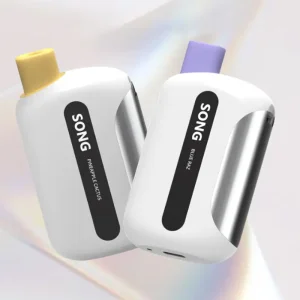
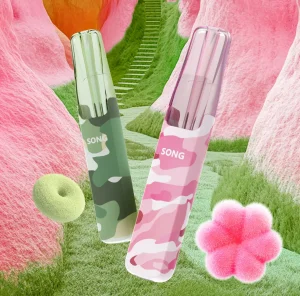
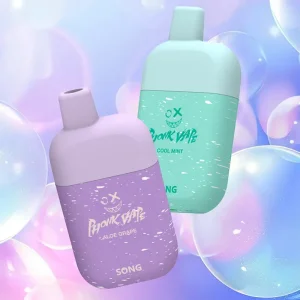
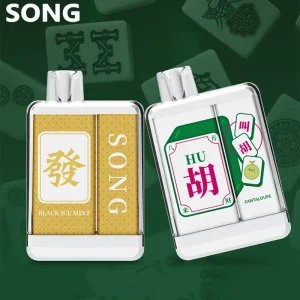
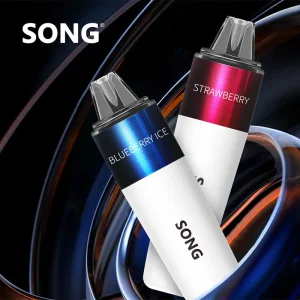
Precision-engineered disposable and refillable pod devices manufactured under strict ISO 13485 cleanroom standards.
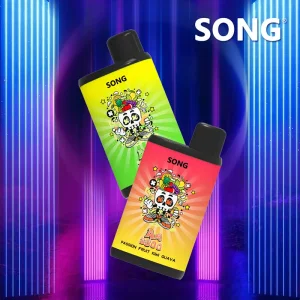
An authoritative breakdown of cost efficiencies, supply chain integration, and engineering excellence driving modern vapor technology.
Over 90% of the world’s vapor devices originate from the Bao'an and Dongguan industrial clusters. This geographical density enables instant access to raw lithium cell suppliers, automated SMT PCB assembly, precision injection molding, and pharma-grade e-liquid formulators within a 30-kilometer radius.
By procuring raw materials at massive volumes—such as food-grade PCTG plastics, high-purity nicotine salts, and custom lithium-ion polymer batteries—certified factories drastically depress unit costs. Buying direct from factory floors unlocks discounted wholesale margins impossible for local distributors to match.
Leading OEM/ODM production facilities operate round-the-clock testing laboratories equipped with automated smoking machines, GC-MS chemical analyzers, and environmental testing chambers. New pod architectures transition from CAD conceptualization to physical prototyping within 72 hours.
When procurement officers search for Discount Pod Vape Factory options, distinguishing between raw cost reduction and structural manufacturing efficiency is paramount. Discounting in a professional factory context does not mean compromising quality control; rather, it reflects high automated throughput. Automated e-liquid filling lines, ultrasonic shell sealing, and automated visual inspection systems (AOI) reduce reliance on manual labor, minimizing human defect rates while drastically cutting production overheads.
Tier-1 factories enforce a rigorous quality assurance chain consisting of Incoming Quality Control (IQC) for raw materials, Input Process Quality Control (IPQC) during assembly, and Final Quality Assurance (FQA) before shipment. Key parameters tested include coil resistance variance, thermal dissipation stability, and vacuum-chamber leak resistance to ensure zero-defect delivery across multi-container shipments.
Empirical proof of manufacturing velocity, reliability, and global trade compliance.
Navigating technical advancements, smart chip integration, and evolving consumer preferences in nicotine delivery systems.
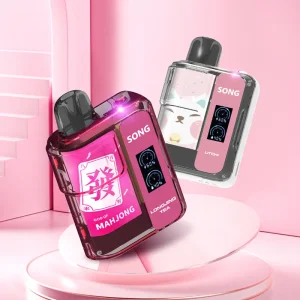
Modern pod vapes have evolved from basic vaporizers into sophisticated micro-electronic devices. Modern factory designs integrate low-power OLED and TFT screen microcontrollers that provide real-time telemetry on e-liquid volume, battery life percentage, variable wattage settings, and coil temperature curves. These user-centric innovations create distinct product differentiation for private labels.
By implementing alternating dual-mesh heating elements, manufacturers prevent flavor degradation caused by heat fatigue. Advanced micro-porous ceramic and organic cotton wicks deliver constant aerosol density and precise flavor fidelity from the initial puff to the final drop, drastically reducing premature coil burning.
Enterprise procurement requires absolute regulatory certainty. Partnering with experienced factory networks ensures that hardware and liquid formulations align with destination country mandates:
Customizing pod architecture, nicotine delivery vectors, and packaging based on regional market dynamics.
Demands high-capacity rechargeable devices (7,000 to 20,000+ puffs) featuring large e-liquid reservoirs (10mL–20mL), Type-C fast charging, adjustable airflow switches, and high-octane flavor profiles (Mint, Fruit Ices).
Focuses on ultra-compact 2mL pod systems, pre-filled closed pods, or legal refillable open pod architectures. Emphasizes clean aesthetics, recyclable materials, transparent e-liquid windows, and subtle artisanal flavor blends.
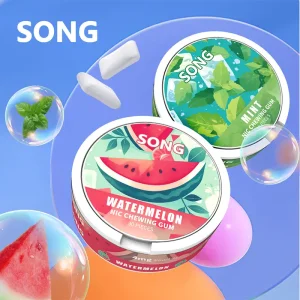
Global distributors are increasingly expanding portfolios with dual-category sourcing—combining disposable pod vapes with tobacco-free nicotine pouches to capture multi-category consumer transitions across convenience and specialty retail channels.
Transitioning from an inquiry to mass product shipment follows a streamlined enterprise workflow engineered to eliminate procurement bottlenecks and safeguard intellectual property:
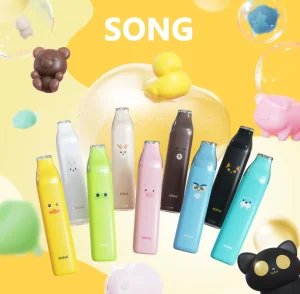
Explore our full OEM/ODM product portfolio, including specialized flavor tanks, high-capacity pods, and modern nicotine alternative pouches.
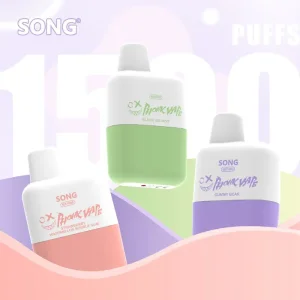
Direct technical, financial, and logistical clarity for brand owners, importers, and regional distributors.
Discount pricing at factory scale is achieved through extreme supply chain integration and high-speed automation rather than material compromises. Located within industrial clusters like Shenzhen and Dongguan, top factories source raw PCTG plastics, micro-chipsets, and batteries direct from tier-1 raw suppliers. High automation in e-liquid filling, capping, and ultrasonic welding reduces manual labor costs while lowering defect rates below 0.02%.
Standard white-label catalog items typically require low MOQs starting at 1,000 to 3,000 units per flavor. Full OEM projects—involving custom tooling, bespoke shell colors, unique e-liquid formulations, and customized retail packaging—typically carry an MOQ threshold of 10,000 to 20,000 units per SKU to optimize automated production setups.
Yes. OEM/ODM production lines routinely manufacture TPD-specific configurations featuring exact 2.0mL pre-filled e-liquid tanks, 20mg/mL (2%) nicotine salt concentrations, child-resistant locks, and compliant tactile warning packaging. Factories supply complete technical dossiers (emission tests, GC-MS reports) required for local regulatory notification.
Custom flavor matching and sample submission typically take 5 to 7 business days. Once pre-production samples are approved and deposit confirmed, mass production cycle times range from 15 to 22 calendar days. Air express shipping typically delivers in 7-10 days, while ocean/rail freight for high-volume orders ranges from 25 to 35 days depending on the destination port.
Leading pod vape factories utilize multi-layer silicone sealing structures, independent airflow condensation chambers, and leak-proof coil isolation tech. Pre-production batches undergo negative-pressure vacuum testing (simulating high-altitude air cargo environments) and thermal shock testing from -20°C to 60°C to ensure total seal integrity during transport.