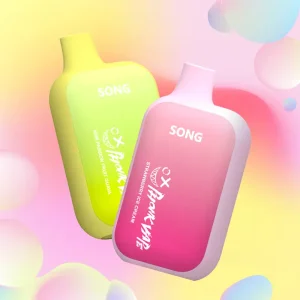
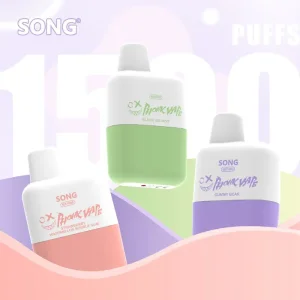
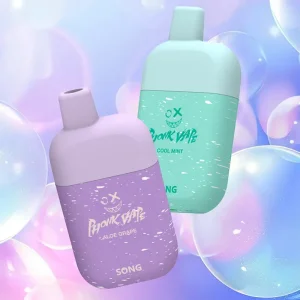
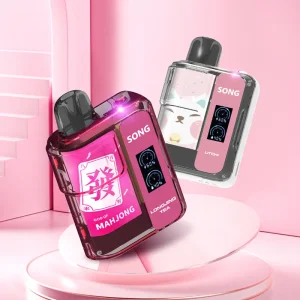
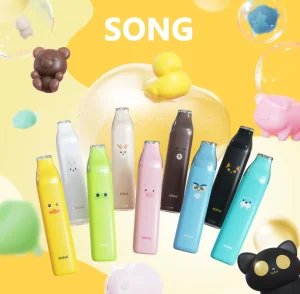
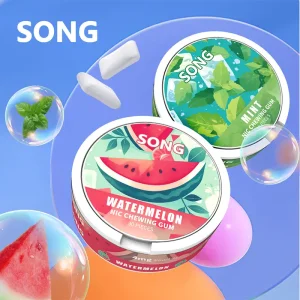
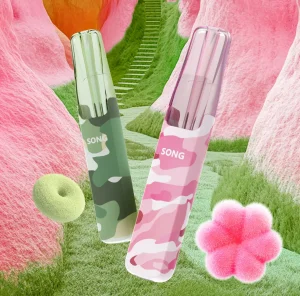
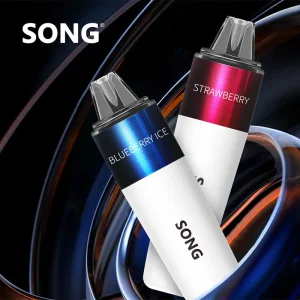
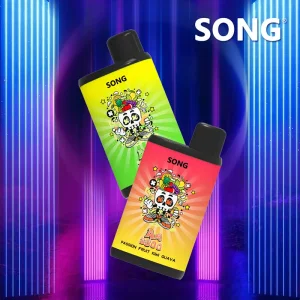
Explore our direct-factory catalog of power-optimized disposable vaporizers, integrated battery modules, and customized OEM flavor platforms engineered for wholesale distributors and regional importers.
In the rapidly transforming global vapor technology landscape, the power source is no longer merely a commodity component—it is the foundational engine determining vapor consistency, aerosol particle size distribution, device safety, and overall brand reputation. Sourcing from a specialized discount vape batteries manufacturer and factory provides international enterprise buyers, brand owners, and OEM partners with a distinct competitive edge: raw manufacturing cost optimization coupled with deep chemical engineering rigor.
The global vape battery market has transitioned away from standard 510-threaded external cylindrical cells toward integrated, custom-shaped high-density lithium-ion pure cobalt and ternary polymer cells. This shift demands direct collaboration with factory engineers who understand how chemical composition influences aerosol generation across 9,000 to 20,000+ puff cycles.
Shenzhen and Dongguan represent the epicenter of global electronic atomization manufacturing, controlling over 90% of the world’s vape hardware production. However, true value for high-volume B2B importers lies in vertical integration—sourcing from a factory that controls both cell synthesis and final hardware assembly.
Direct procurement of pure Lithium Cobalt Oxide (LiCoO2) ensures stable energy density (up to 260 Wh/kg), preventing quick thermal decay and maintaining consistent 3.7V nominal output throughout the lifespan of the device.
Robotic cleanroom production minimizes human contact, eliminating microscopic metallic contamination that causes internal self-discharge, micro-short circuits, and thermal runaway risks.
High-throughput automated assembly lines produce hundreds of thousands of cells daily, unlocking true "Discount" wholesale tier pricing while maintaining stringent ISO 9001 and IATF 16949 quality metrics.
Choosing the correct battery chemistry is critical for engineering sub-ohm devices, high puff-count disposables, and variable-wattage pods. The table below outlines the performance characteristics engineered within our manufacturing plant:
| Performance Parameter | Pure Cobalt Lithium Cell (LCO) | Ternary Lithium Cell (NMC) | Standard Commercial Grade |
|---|---|---|---|
| Volumetric Energy Density | High (650-700 Wh/L) | Moderate (500-580 Wh/L) | Low (< 450 Wh/L) |
| Discharge Curve Stability | Flat (Sustains 3.6V-3.7V) | Linear Decline | Steep Voltage Drop |
| Internal Resistance (IR) | < 18 mΩ | < 25 mΩ | > 40 mΩ |
| Shelf-Life Self-Discharge | < 2% per month | < 3.5% per month | > 8% per month |
| Ideal Application | High-Puff Smart Disposables / Sub-Ohm | Standard Pod Systems / Rechargeables | Low-Cost Basic Hardware |
A discount price tag must never mean discounted safety. Every battery unit exiting our factory floor incorporates a sophisticated Protection Circuit Module (PCM) designed with hardware-level fail-safes:
Automatically cuts off charging current when battery voltage hits 4.28V ± 0.025V, preventing electrolyte decomposition and cell swelling.
Disconnects load when cell voltage drops below 2.4V, preserving active lithium ion pathways and ensuring long shelf storage.
Sub-millisecond short-circuit sensing (<150μs) locks out output instantly if atomizer coil failure occurs, preventing extreme current spikes.
Exporting vapor products into heavily regulated markets requires flawless adherence to international chemical and transport mandates. As an established original factory partner, we provide complete compliance documentation packets with every shipment:
Every cell model completes rigorous UN 38.3 testing protocols, including altitude simulation, thermal shock testing (-40°C to +72°C), vibration, mechanical impact, external short circuit, overcharge, and forced discharge.
Compliant with Directive 2006/66/EC and the updated EU Battery Regulation (EU) 2023/1542. Low-heavy-metal cell chemistry contains zero Mercury (Hg), Cadmium (Cd), or Lead (Pb), streamlining local EPR registration.
We provide comprehensive Battery Safety Testing Data, UL 1642 safety certification, and MSDS reports required by US importers submitting Premarket Tobacco Product Applications (PMTA).
Vapor hardware operates in diverse environmental conditions worldwide. From the arctic sub-zero winters of Northern Europe to the tropical humidity of Southeast Asia and South America, cell performance must remain ultra-reliable.
Standard lithium cells freeze at sub-zero temperatures, causing current collapse and vapor failure. Our specialized cold-resilient electrolyte formulations retain over 82% of capacity even at -15°C, making them top performers in Canada, Scandinavia, and Eastern Europe.
Tropical environments accelerate electrolyte degradation and cause internal pressure build-up. Our cells feature reinforced steel/aluminum pouch sealing technology and anti-corrosion nickel-plated tabs, engineered specifically for Latin American and Southeast Asian markets.
Next-generation disposables featuring full-screen HD power/e-liquid indicators and dual-coil boost modes require instant power bursts up to 15W-22W. Our high-C-rate cells prevent screen flicker and guarantee smooth, high-density cloud production.
Browse our secondary catalog of market-proven disposable devices, high-capacity battery units, and novelty IP designs available for global private-label customization.
As consumer requirements transition toward eco-conscious design and higher intelligence, the vape battery sector is undergoing three major technological revolutions:
Solid-state and semi-solid electrolyte batteries are entering initial testing phases. Offering double the energy density in half the volumetric footprint, solid-state cells eliminate liquid electrolytes entirely, rendering thermal runaway chemically impossible.
Next-generation power management circuits utilize machine-learning microcontrollers to analyze consumer puff duration and interval. The MCU dynamically adjusts current output to prevent coil scorching while extending effective battery charge by up to 18%.
With impending EU sustainability regulations requiring easy battery removal, factory engineering has introduced snap-fit battery housings and weld-free contact bridges, enabling 100% automated disassembly and lithium recycling.
Addressing the most critical technical, logistics, and quality assurance questions raised by enterprise global procurement teams.