Direct supply options, white-label configurations, and turnkey manufacturing solutions from China's leading production lines.
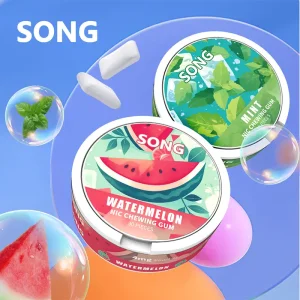
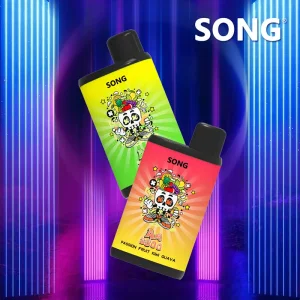
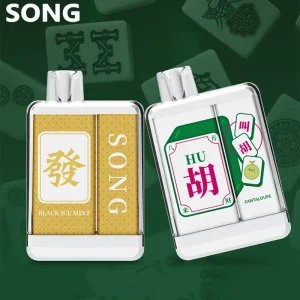

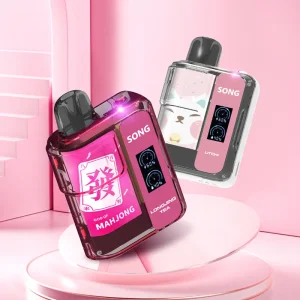
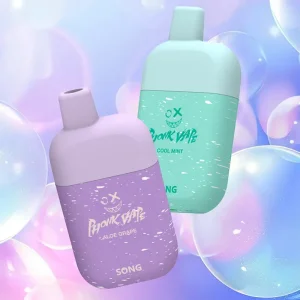
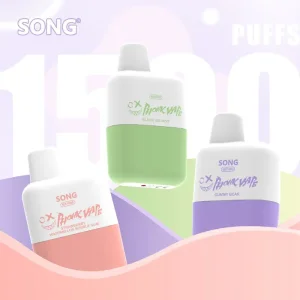
Analyzing the shift from traditional energy beverages and oral supplements to pulmonary bio-available caffeine aerosols.
The fast-moving consumer goods (FMCG) and nutraceutical industries are experiencing a seismic paradigm shift. As global consumers demand rapid-acting, zero-calorie, and portable energy solutions, aerosolized delivery systems have emerged as a disruptive alternative to traditional liquid energy drinks and oral supplements. The commercial search intent for "ODM Caffeine Vape Factories & Quotes" reflects an escalating enterprise movement: global brand owners, FMCG distributors, and vape hardware importers are seeking qualified original design manufacturers (ODMs) capable of formulating, engineering, and mass-producing high-stability, non-nicotine caffeine delivery vapes.
However, converting anhydrous caffeine into a stable, aerosolizable liquid formulation presents rigorous biochemical and mechanical engineering challenges. Caffeine ($C_8H_{10}N_4O_2$) exhibits distinct chemical properties compared to nicotine salts, including higher crystallization propensity, altered boiling thresholds, and complex thermal degradation pathways. Consequently, procuring quotes from competent ODM factories requires a deep technical understanding of thermal dynamics, carrier solvency, ceramic heating core structures, and strict international compliance standards.
A systematic breakdown of thermal engineering, carrier chemistry, and micro-atomization required for caffeine vapor stability.
Standard nicotine wire coils operate at temperatures ($220^\circ\text{C} - 260^\circ\text{C}$) that risk pyrolyzing caffeine molecules into bitter degradation products. Advanced ODM caffeine vape factories utilize custom-calibrated ceramic heating cores with micro-porous matrix structures. These ensure uniform heat distribution below $200^\circ\text{C}$, achieving smooth vaporization without thermal decomposition.
Anhydrous caffeine has low solubility in pure Vegetable Glycerin (VG). Tier-1 ODM facilities employ proprietary carrier systems utilizing USP-grade Propylene Glycol (PG), organic plant-derived carrier solubilizers, and natural polyols. This prevents recrystallization inside the storage tank and wicking channels across dynamic ambient temperature fluctuations (-10°C to 45°C).
Leading ODM formulations go beyond standalone caffeine. Modern energy vapes incorporate synergistic functional compounds including L-Theanine (to smooth out cardiovascular jitters), Vitamin B12 (cobalamin for metabolic support), Taurine, and natural botanical terpenes. Precise ratio control preserves molecule integrity throughout aerosolization.
| Engineering Dimension | Standard Nicotine Disposable Vape | Advanced Energy Caffeine Vape (ODM Standard) |
|---|---|---|
| Primary Active Compound | Nicotine Benzoate / Salt / Synthetic Nicotine | Natural Anhydrous Caffeine ($C_8H_{10}N_4O_2$) + Nootropics |
| Vaporization Temperature | $220^\circ\text{C} - 260^\circ\text{C}$ | Strictly Controlled $170^\circ\text{C} - 195^\circ\text{C}$ |
| Atomizer Core Architecture | Standard Mesh Coil / Cotton Wicking | Micro-Porous Inert Ceramic Core with Anti-Crystallization Channels |
| Aerosol Particle Size (MMAD) | 0.8 – 1.5 microns | 1.2 – 2.8 microns (Optimized for upper tracheal/bronchial absorption) |
| E-Liquid Phase Stability | High liquid stability, low precipitation risk | Requires high-purity co-solvents to eliminate solid crystal fallout |
Strategic target positioning for brands looking to capture non-nicotine functional consumer markets.
The global positioning of caffeine vapes spans across multiple lucrative consumer verticals. By severing ties with nicotine and tobacco classifications in many jurisdictions, functional caffeine energy vapes open completely new retail and distribution avenues that were previously off-limits to traditional e-cigarette products.
Gamers and esports professionals require sustained focus, hyper-fast reaction speeds, and zero sugar crashes. Inhaled caffeine offers precise micro-dosing without liquid bloat or frequent restroom breaks during competitive play.
Long-haul truckers, medical personnel, emergency responders, and night-shift factory workers need instantaneous alertness. A pocket-sized caffeine vape provides quick fatigue relief on demand.
Athletes seeking an immediate boost prior to intense training sessions can utilize caffeine inhalation to stimulate the central nervous system rapidly, avoiding the heavy stomach feeling associated with pre-workout liquid drinks.
Ex-smokers and former vapers seeking to break nicotine dependence often miss the sensory "hand-to-mouth" routine. Caffeine vapes provide a functional sensory alternative completely free from addictive nicotine.
How Shenzhen and Dongguan manufacturing hubs deliver enterprise-grade scalability, yield stability, and cost leadership.
Shenzhen, China remains the global epicenter of vaping device hardware manufacturing, producing over 90% of the world's vapor devices. For enterprise buyers procuring ODM Caffeine Vapes, partnering directly with automated Industry 4.0 China factories yields unassailable cost and quality advantages.
Navigating global non-nicotine compliance, toxicology profiles, and local market access controls.
A primary friction point for importing functional caffeine vapes involves navigating destination market regulatory structures. Because caffeine vapes contain zero tobacco and zero nicotine, they fall outside traditional tobacco product directives (such as EU TPD or US FDA PMTA) in many regions, but must satisfy strict general consumer product safety, chemical safety, and cosmetic/wellness regulation frameworks.
Governed primarily under FDA CSAN (Center for Food Safety and Applied Nutrition) guidelines and FTC regulations regarding dietary supplements and wellness claims. Devices must comply with OSHA MSDS standards, UN38.3 battery transport safety regulations, and state-level consumer chemical safety laws (e.g., California Prop 65).
Exempt from TPD tobacco limits (like 2mL liquid caps and 20mg/mL nicotine restrictions), but strictly governed by GPSD (General Product Safety Directive), REACH chemical regulations, and CLP (Classification, Labelling and Packaging) standards. Requires full SDS documentation for custom e-liquid imports.
Regulated by ESMA (Emirates Authority for Standardization and Metrology) and Saudi FDA frameworks. Requires Halal compliance certification for liquid ingredients, ingredient purity verifications, and heavy metal aerosol safety testing.
Before issuing bulk purchase orders, enterprise procurement managers must insist on receiving comprehensive laboratory testing dossiers from the ODM factory:
A step-by-step buyer's guide to managing Request for Quotations (RFQs), MOQs, and custom engineering requests.
When contacting Chinese manufacturing vendors for quotes on caffeine vape hardware and filling, vagueness leads to inflated price estimates and communication bottlenecks. Professional procurement requires a structured RFQ protocol covering key design parameters.
Specify desired device physical form factor (slim stick, box style, soft-touch matte, metallic finish), tank capacity (e.g., 2.0mL for 600 puffs, up to 10mL for rechargeable large-format vapes), battery capacity (280mAh to 650mAh Type-C rechargeable), and preferred LED activation indicators.
Detail exact caffeine dosage per volume (e.g., 10mg caffeine per 1.0mL e-liquid), secondary functional ingredients (L-Theanine, B-Complex vitamins), and targeted flavor profiles (Cooling Mint, Citrus Energy, Tropical Fusion, Berry Blast).
Ask factories to provide transparent price-break tiers based on Minimum Order Quantities (MOQ). Standard enterprise tiers generally follow 3,000 units (Custom Logo Printing), 10,000 units (Full Custom Retail Box Packaging), and 50,000+ units (Custom Tooling & Injection Mold Customization).
Standard engineering workflows require 3-5 days for sample formulation approval, 10-14 days for custom packaging proofing, and 20-25 days for mass production execution following pre-production sample sign-off.
In-depth answers to critical technical, manufacturing, and legal questions asked by global B2B buyers.
Due to direct pulmonary delivery bypass, aerosolized caffeine bioavailability is substantially higher than oral ingestion. Typically, an ODM formulation delivers 0.5mg to 1.5mg of active caffeine per 10 to 15 inhalation puffs. Because pulmonary absorption occurs within seconds, 10 to 15 puffs provide a subjective alertness boost equivalent to approximately 50mg - 80mg of orally ingested coffee caffeine, without overloading the gastrointestinal system.
High-quality caffeine vape e-liquids manufactured in ISO-certified cleanrooms have a recommended shelf life of 18 to 24 months. To prevent caffeine crystal precipitation over time, factories use specialized organic solubilizers and store bulk liquids in sealed, nitrogen-flushed container environments away from direct UV light and extreme heat.
Yes. Fully equipped ODM factories offer custom flavor formulation labs. Brands can customize primary flavor profiles (e.g., Iced Watermelon, Spearmint, Energy Drink Citrus) while simultaneously tuning functional additives such as L-Theanine, Taurine, Vitamin B6, Vitamin B12, or botanical extract terpenes, ensuring full thermal compatibility and taste synergy.
In most global jurisdictions, taxation and regulation frameworks targeting vapes specifically define regulated items as products containing nicotine or derived from tobacco leaves. Because caffeine vapes are 100% tobacco-free and nicotine-free, they are typically exempt from vape excise taxes and nicotine flavor bans. However, importers must verify local regional non-nicotine consumer product safety laws prior to clearing customs.
Prior to transferring production deposits, buyers should request: (1) Full Material Safety Data Sheets (MSDS) for the liquid, (2) Heavy Metal & Carbonyl Emission GC-MS Test Reports, (3) UN38.3, MSDS, and CE/RoHS safety certificates for the battery unit, (4) Factory ISO 9001 / ISO 13485 audit certificates, and (5) Signed Golden Pre-Production Samples for physical visual and functional sign-off.
Explore additional best-selling hardware platforms, flavor tanks, and nicotine-alternative products available for enterprise orders.