Explore our engineered catalog featuring precision-manufactured disposable vapes, high-puff mesh-coil hardware, and next-generation oral nicotine products customized for global regulatory compliance.

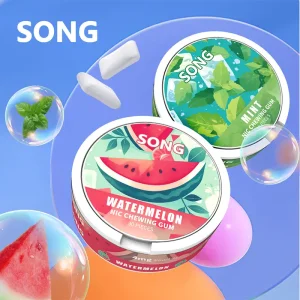
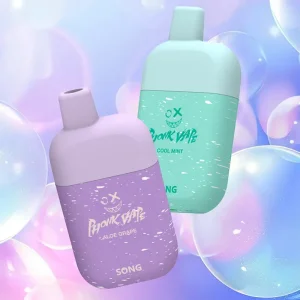



When enterprise buyers, brand owners, and global distributors search for vape manufacturing prices, they are seeking precise Bill of Materials (BOM) transparency, tooling CapEx requirements, regulatory friction costs, and scalable unit economics.
In the global vapor industry, asking "How Much Is A Vape?" at a B2B OEM/ODM level involves far more than quoting a single retail sticker price. For institutional procurement officers and brand creators, unit cost is a dynamic equation driven by hardware architecture, battery chemistry quality, e-liquid formulation integrity, packaging automation, and regional regulatory compliance suites (such as EU TPD, US PMTA, or Middle Eastern ESMA guidelines).
At current factory production standards, wholesale unit costs for disposable vapes and pod systems span from as low as $0.85 per unit for entry-level 600-puff TPD devices up to $4.50+ per unit for ultra-high-puff devices featuring dual-mesh coils, smart TFT screen indicators, and dynamic power-switching microcontrollers. Understanding the micro-economic drivers behind these price points enables brand managers to optimize gross margins while ensuring zero factory defect rates.
A granular breakdown of physical hardware components, chemical formulations, and industrial manufacturing overheads that dictate wholesale OEM/ODM quotes.
Batteries account for 25%–35% of total hardware BOM. Pure Cobalt Lithium-ion cells cost 20–30% more than ternary/manganese blend cells but provide flat voltage discharge curves, ensuring consistent flavor delivery from 100% down to 0% state-of-charge.
Modern atomization has evolved from wire coils to high-precision Mesh Coils (0.6Ω - 1.2Ω) and dual-mesh configurations. Dual-mesh architecture with alternating firing modes doubles coil longevity and flavor stability, increasing atomizer BOM by $0.15–$0.40.
Pharmaceutical-grade USP/EP Propylene Glycol (PG), Vegetable Glycerin (VG), high-purity synthetic or tobacco-derived Nicotine Salts, and food-grade flavor concentrates. Custom flavor compounding adds slight premiums but ensures brand exclusivity.
| Device Category | Typical Liquid Capacity | Battery Specs | Target Puff Count | Estimated OEM FOB Cost | Recommended MOQs |
|---|---|---|---|---|---|
| TPD Compact Disposable | 2.0 mL | 400mAh - 500mAh (Cobalt) | 600 - 800 Puffs | $0.85 - $1.25 | 10,000 Units / Flavor |
| Mid-Capacity Pod/Bar | 5.0 mL - 6.0 mL | 650mAh Pure Cobalt | 1,500 - 2,500 Puffs | $1.40 - $1.90 | 5,000 Units / Flavor |
| High-Puff Smart Screen Vape | 10.0 mL - 15.0 mL | 650mAh Type-C Recharge | 7,000 - 10,000 Puffs | $2.20 - $3.10 | 3,000 Units / Flavor |
| Ultra Flagship Dual-Screen/Dual-Mesh | 18.0 mL - 25.0 mL | 850mAh Type-C Fast Charge | 15,000 - 25,000 Puffs | $3.20 - $4.50 | 2,000 Units / Flavor |
Why Shenzhen and Dongguan remain the undisputed epicenter of global vape manufacturing, delivering unmatched cost efficiencies through fully integrated supply chain ecosystems.
Within a 30-kilometer radius in Guangdong province, 95% of all vapor device components—ranging from micro-electromechanical pressure switches and silicone seals to CNC molds and lithium batteries—are manufactured and delivered within 24 hours. This hyper-density eliminates international component freight delays and reduces raw material buffer overheads.
Industry 4.0 facilities utilize multi-head automated liquid filling machines capable of dispensing e-liquid at precise volumes (+/- 0.02g accuracy) under ISO Class 8 cleanroom environments. High-frequency ultrasonic welding ensures zero oil leakage during high-altitude air freight transport, significantly lowering warranty return costs.
Furthermore, China’s tier-1 manufacturers continuously invest in automated optical inspection (AOI) technology and automated aerosol testing rigs. By subjecting 100% of finished circuit boards and battery assemblies to automated stress tests prior to packaging, top-tier factories achieve yield rates exceeding 99.4%. For global importers, working with high-yield automated facilities translates directly into lower per-unit defect allowances and enhanced brand reputation.
Sourcing vape hardware requires aligning device specifications, flavor profiles, and packaging with localized legal frameworks and consumer preferences.
Capacity Limit: Max 2.0 mL e-liquid tank capacity.
Nicotine Limit: Max 20 mg/mL (2%).
Compliance Cost: TPD testing, emissions analysis, and MHRA/EU portal notifications add approximately $500 - $1,200 per SKU upfront cost. Focus is placed on compact 600-puff ergonomic designs and recyclable battery solutions.
Capacity Trend: 10 mL to 25 mL large-capacity devices.
Features: High-definition smart screens showing juice/battery levels, dual-mesh boost modes, and child-safety locks.
Economic Focus: Higher unit FOB prices offset by higher retail margins ($15 - $25 retail price points).
Consumer Profiles: Preference for intense ice profiles, bold tropical fruit blends, and high-temperature resistant hardware.
Hardware Specs: Heat-resistant plastic compounds (PCTG) and robust battery protection ICs to withstand high ambient operational temperatures.
Detailed technical and commercial answers addressing common inquiries from global wholesale buyers, brand directors, and supply chain managers.
Review our second tier of enterprise offerings including high-capacity rechargeable vapes, IP series designs, and oral pouch delivery options.
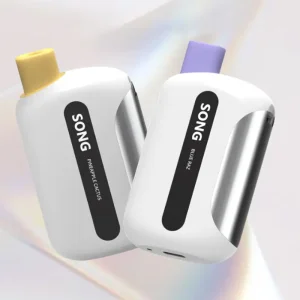


Key takeaways for enterprise buyers aiming to maximize gross profitability while securing high-reliability manufacturing pipelines.
Never compromise on lithium cell quality. Requesting Pure Cobalt battery cells increases initial BOM slightly but reduces field defect rates by up to 80% compared to low-tier secondary manganese cells.
Audit prospective supplier manufacturing facilities for ISO Class 8 cleanroom environments and automated e-liquid filling capabilities to safeguard batch-to-batch flavor and weight uniformity.
Ensure your factory supplier provides comprehensive compliance documentation (MSDS, TPD dossier support, Heavy Metal ICP-MS testing) tailored to your destination market prior to bulk production runs.