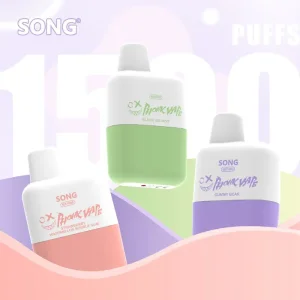
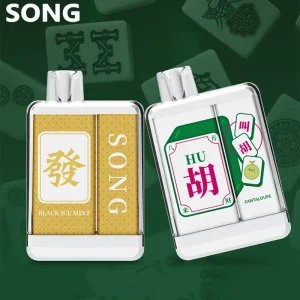
Industrial-Grade Ceramic Hardware, High-Viscosity Oil Engineering & End-to-End White-Label Turnkey Solutions
Explore our flagship OEM/ODM vaporizers, disposable pod platforms, and oral nicotine innovations engineered for market-leading wholesale brands.
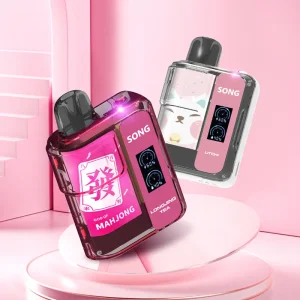

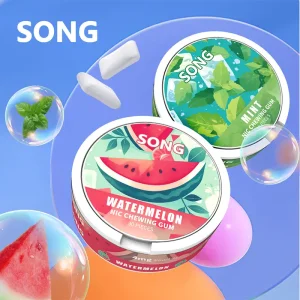

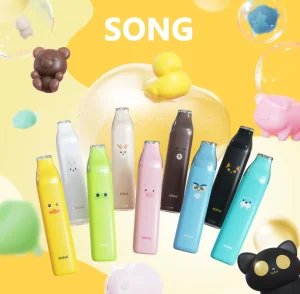
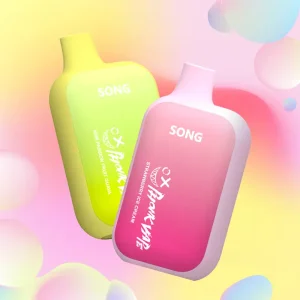
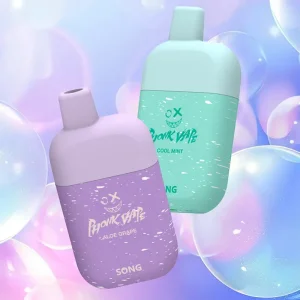
Our ISO-certified manufacturing facilities combine automated micro-assembly lines with pharmaceutical-grade cleanroom protocols to deliver reliable hardware at global scale.
From micro-porous ceramic heating elements to post-less hardware architectures, the 510 vape cart landscape is undergoing a structural paradigm shift driven by consumer expectations and legal mandates.
Traditional cotton-wrapped coils have been almost entirely phased out of the premium oil and concentrate cart sectors. Modern buyers demand engineered porous ceramic heating structures capable of uniform thermal distribution without scorching delicate terpene profiles. Advanced ceramic cores feature controlled pore size distributions (from 20 to 50 microns) specifically tuned for oil dynamic viscosities ranging from low-viscosity nicotine distillates to ultra-thick 90%+ unrefined botanical extracts.
Global regulatory agencies—including the US FDA, European TPD compliance boards, and state-level health departments—have instituted rigorous leachables and extractables testing. Lead-free brass, medical-grade SUS316L stainless steel, quartz glass, and inert PCTG polymer reservoirs have transitioned from optional upgrades to mandatory baseline requirements. OEM buyers must verify that heating centers and central intake posts do not leach heavy metals (Lead, Cadmium, Arsenic, Mercury) into high-acidity terpene formulations over prolonged shelf storage.
To eliminate metal-to-oil contact entirely and prevent airway clogging in viscous live rosin and live resin applications, the market is rapidly pivoting toward "post-less" cartridge designs. By relocating the ceramic heating element to the bottom reservoir chamber and utilizing peripheral airflow channels, post-less carts maximize visual oil clarity, increase fluid capacity utilization to over 99.5%, and drastically lower failure rates caused by oil oxidation around metallic central poles.
One cartridge specification no longer fits all oil types. Modern B2B procurement demands tailored intake aperture configurations—ranging from 4 x 1.0mm holes for thin e-liquids and cut distillates, up to 4 x 2.0mm or custom oval slots for unrefined thick oils. Matching aperture diameter with ceramic porosity prevents both starvation-induced dry hits and over-saturation leakage.
Wholesale buyers, Multi-State Operators (MSOs), and white-label brand managers require rigorous manufacturing benchmarks prior to placing high-volume OEM orders.
| Buyer Category | Primary Technical Needs | Tolerance & Leakage Target | Compliance Standards | Customization Depth |
|---|---|---|---|---|
| Multi-State Operators (MSOs) | Automated filling machine compatibility, low internal resistance, high-torque mouthpiece capping. | Defect Rate < 0.03% (Zero capping fracture) |
State Heavy Metals, Lead-Free Certification, GMP | Custom aperture sizing, laser logo etching, custom intake pore size. |
| Global Vape Distributors | High puff efficiency, visual aesthetic appeal, shelf life stability (>18 months without leaking). | Leakage Rate < 0.05% under pressure/altitude | CE, RoHS, EU TPD Technical Documentation, REACH | Pantone color matching, custom window shapes, packaging bundles. |
| Private Label Extract Brands | Flavor preservation, post-less or inert glass center, variable voltage match, anti-clogging. | Dry-Hit Failure Rate 0.00% | ISO 13485 cleanroom assembly, USP Class VI silicone seals | Full custom CAD mold creation, custom mouthpieces (wood, ceramic, resin). |
For large-scale filling operations, cartridge hardware dimensioning must maintain micro-millimeter tolerances. Our OEM carts feature standardized top-fill openings, ultra-smooth silicone O-ring seating, and snap-lock or screw-thread mouthpieces engineered to pair seamlessly with automated high-speed oil injection machines (e.g., Thompson Duke, ATG, VapeJet).
Sourcing directly from an established China OEM/ODM factory reduces intermediary distributor markups by 25% to 45%. Furthermore, by eliminating oil waste during filling and minimizing returns due to burnt coils or structural leakage, enterprise buyers secure dramatically higher net profit margins on retail shelves.
In fast-moving vape markets, inventory stockouts cause immediate revenue loss. Our manufacturing ecosystem maintains structured raw material safety stock (silicone seals, ceramic cores, borosilicate tubes), enabling standard production turnarounds in 12-15 business days for custom OEM branding orders.
From client concept validation to commercial manufacturing, our turnkey engineering services cover hardware geometry, electrical matching, aesthetic finishes, and custom packaging.
Client submits oil sample density metrics. Engineers select pore size distribution (20um-50um) and aperture geometry.
Custom mouthpiece shapes (duckbill, round, barrel) and shell styling designed via 3D CAD modeling within 72 hours.
20-50 functional prototypes built for thermal ramp-up, pressure chamber anti-leak testing, and vapor yield analysis.
Mass production in ISO Class 7 cleanrooms using automated glass fitting, laser welding, and automated resistance sorting.
ICP-MS analytical testing verifies 0% heavy metal leaching. Certified packaging dispatch with full batch tracking lot numbers.
Navigating international vaping regulations requires transparent technical master files, certified cleanroom manufacturing, and comprehensive heavy metal safety auditing.
Every raw material lot undergoes Inductively Coupled Plasma Mass Spectrometry (ICP-MS) screening. We certify compliance under stringent state regulations (e.g., California Phase 3 Heavy Metal limits) ensuring zero detectable levels of Lead (<0.5 ug/g), Cadmium (<0.2 ug/g), Arsenic (<0.2 ug/g), and Mercury (<0.1 ug/g).
For European Union distributors, we supply complete technical dossiers required for TPD notification—including emission testing, aerosol analysis, component break-downs, child-safety mechanism compliance certificates, and material safety data sheets (MSDS/SDS).
Our production floors operate under ISO 9001 and ISO 13485 medical device quality systems. Micro-assembly takes place in positive-pressure ISO Class 7 cleanrooms to prevent airborne particulate contamination, dust ingress, and microbial transfer during core assembly.
Our engineering R&D team continuously pushes the boundaries of vapor science. Discover the key innovations currently transitioning from prototype testing to commercial OEM production.
Integrating micro-printed thermal resistance sensors directly into the ceramic heating core matrix. This enables real-time temperature feedback to compatible smart batteries, maintaining precise vaporization temperatures (+/- 2°C) regardless of puff duration or draw strength, completely eliminating burning of delicate live rosin terpenes.
In response to tightening environmental mandates across Europe and North America, our materials lab is developing fully disassemblable cartridge structures. Utilizing PLA hemp-composite mouthpieces, reusable thread housings, and easily removable glass cores, new hardware platforms drastically simplify post-consumer recycling workflows.
Detailed technical answers to common questions asked by B2B buyers, distributors, and manufacturing partners.
For standard catalog items with custom laser-etched branding, our typical MOQ starts at 1,000 to 3,000 units. For fully customized hardware—such as custom Pantone-colored ceramic mouthpieces, custom injection-molded outer shells, or specialized intake hole configurations—our standard MOQ is 10,000 units per batch. We also offer rapid prototype sample runs (50-100 units) for oil compatibility testing prior to full production sign-off.
Oil viscosity dictates aperture sizing and ceramic pore structure. During client onboarding, our engineering lab analyzes your oil density at room temperature and operating temperature. For high-viscosity live rosin or uncut distillate (>100,000 cP), we recommend 4 x 2.0mm apertures or oval intake slots paired with a 30-40 micron pore size ceramic core. For thinner botanical blends, smaller 4 x 1.2mm apertures are deployed to prevent over-saturation and flooding.
We strictly utilize medical-grade lead-free brass (<0.01% lead content), passivated SUS316L stainless steel, or high-purity inert ceramic and glass for all wetted parts (components in direct contact with oil). Furthermore, raw batches undergo rigorous 30-day terpene acidity immersion tests followed by ICP-MS analytical testing to prove zero chemical leaching of Lead, Cadmium, Arsenic, or Mercury.
Yes. All SONG vape cartridges are designed to conform strictly to standardized dimensional drawings (CAD blueprints). Top fill openings feature wide tolerances engineered specifically for high-speed automated filling needles (such as Thompson Duke, VapeJet, and ATG filling systems). Snap-on or thread mouthpieces are designed for reliable high-torque capping machines without risk of cracking ceramic tops or glass walls.
Once pre-production samples are approved and artwork files are finalized, mass manufacturing typically takes 12 to 15 business days. Express air freight dispatch takes approximately 5 to 7 days, while sea freight door-to-door delivery ranges from 20 to 35 days depending on destination ports and customs clearance requirements.
Yes. We provide complete technical data packages, including Material Safety Data Sheets (MSDS), RoHS certificates, CE certification, elemental composition reports, battery safety tests (UN38.3), and aerosol emission laboratory analysis required for regulatory filings with health authorities worldwide.
Select from our market-proven disposable vaporizers, nicotine pouches, and high-capacity flavor tanks designed for international wholesale distribution.