Explore our foundational hardware configurations optimized for custom extracts, terpenes, and global regulatory compliance.
The global market for cannabidiol (CBD) atomization has shifted dramatically from generic e-liquid adaptations to highly specialized, purpose-built vapor devices. As a tier-one OEM CBD Vape Pen Manufacturer & Supplier, our engineering philosophy revolves around solving the fundamental biochemical challenges of vaporizing botanical extracts: variable viscosity, thermal degradation, terpene oxidation, and heavy metal leaching.
Unlike standard e-liquids formulated with Vegetable Glycerin (VG) and Propylene Glycol (PG), uncut CBD distillates, broad-spectrum oils, and live resin/rosin extracts exhibit complex rheological properties. Their viscosity changes dynamically with temperature, requiring precisely calibrated oil aperture dimensions (ranging from 1.2mm to 2.0mm), optimized ceramic porosity profiles, and tailored thermal ramp-up times. Standard nicotine hardware fails when exposed to pure extracts—leading to dry hits, burnt flavor profiles, or catastrophic leakage.
To maintain competitive dominance in Western wholesale markets, B2B procurement directors must stay ahead of tectonic technological shifts. Our R&D center in Shenzhen constantly iterates based on empirical laboratory testing and global compliance updates.
Traditional CBD carts utilize a heavy metallic central chimney (often heavy-metal plated brass) submerged directly in the oil reservoir. Next-gen OEM designs utilize post-less zirconia ceramic chambers. By removing the central metal post, the extract never touches metal, completely eliminating heavy metal leaching risks (Lead, Cadmium, Arsenic, Mercury) while delivering unmatched aesthetic clarity.
Our proprietary Medical-Grade Porous Ceramic Matrix features uniform micro-channels engineered at 3.5 to 5.0 micrometers. This exact pore distribution enables continuous capillary action for uncut winterized distillates and high-terpene live resins, operating at lower temperatures (2.2V – 2.8V) to preserve volatile terpenes like Myrcene, Linalool, and Caryophyllene.
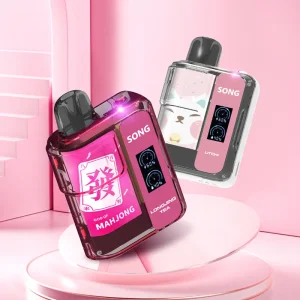
Consumer expectations in North America and Europe now demand real-time feedback. Integrated micro-screens displaying precise battery voltage, digital oil volume indicators, and pre-heat timers (1.8V warm-up cycle) prevent premature core scorching when atomizing thick, crystallized CBD isolates.
Shenzhen and Dongguan represent the global epicenter of electronic atomization engineering, producing over 90% of the world's vapor hardware. Partnering directly with our established China manufacturing complex grants global brands a decisive structural moat:
Through centralized raw material procurement (food-grade PCTG tanks, pure cobalt lithium-ion cells, medical ceramics), we dramatically lower unit production costs without compromising structural integrity. Automated SMT surface mount assembly lines ensure exact electrical resistance tolerances (+/- 0.05 ohms).
Maintaining total sanitary hygiene is non-negotiable for medical and wellness CBD markets. Our production floors operate under strict dust-free ISO Class 8 conditions, mitigating airborne contamination, dust particles, or microbes during the core attachment and packaging processes.
Transitioning from dynamic CAD drawings to functional 3D-printed physical samples takes under 72 hours in our laboratory. Custom tooling, zinc-alloy casting, and soft-touch rubberized finishes can be deployed at scale in under 21 business days.
We do not simply supply standard hardware; we engineer comprehensive industrial solutions customized to your brand’s extract formulation, target retail price points, and geographic logistics channels.
Clients ship non-controlled reference samples of their formulation base to our laboratory. We perform high-shear viscosity testing across thermal ranges (20°C to 60°C) to calculate exact intake pore dimensions, custom coil resistance values (1.2Ω to 1.6Ω), and pre-heat wattages.
Elevate your brand with premium tactile finishes: anodized aluminum oxide, laser engraving, UV metallic spot printing, soft-touch matte rubber coating, or eco-friendly biodegradable PLA casings.
Full compliance support including Child-Resistant (CR) push-and-turn boxes, tamper-evident seals, serialized state-tracking QR matrix integration, and localized health hazard warnings tailored to regional requirements.
Global distribution requires navigating complex legal and technical standards. Our hardware is pre-certified and adaptable to regional regulatory mandates:
In compliance with the US Farm Bill (<0.3% Delta-9 THC limits), our devices support broad-spectrum CBD, Delta-8, Delta-10, and HHC formulations. Hardware fully meets California Heavy Metal Testing standards (Phase 3 compliance) and PACT Act shipping guidelines.
European markets enforce stringent emissions and tank capacity limits. We offer 1.0ml and 2.0ml TPD-compliant pods built with food-grade materials, certified non-leaching glass tanks, and fully compliant batch trace numbers.
Tailored solutions designed for medical wellness schemes in Brazil (ANVISA rules), Australia (TGA compliance), and Asian distribution hubs requiring discrete form-factors and leak-proof pressure sealing for air freight.
Procurement directors and supply managers face real operational risks when contracting overseas manufacturing. Our robust quality assurance matrix mitigates these vulnerabilities through rigorous verification steps:
100% of pure-cobalt batteries undergo UN38.3 vibration, thermal shock, drop testing, and overcharge protection checks to guarantee absolute safety during shipping and consumer use.
All internal hardware components submerged in oil are subjected to Inductively Coupled Plasma Mass Spectrometry (ICP-MS) testing in liquid state after 30 days of storage to guarantee zero metal leaching.
Simulating negative air pressures encountered during high-altitude transit (flight travel), loaded devices undergo negative pressure vacuum testing (-0.8 bar) to confirm air-tight seal integrity.
Choose from our proven best-sellers and custom OEM formats ready for immediate sampling and mass manufacturing.
Direct engineering answers for supply managers, brand owners, and compliance directors.
Nicotine e-liquids use PG/VG bases that remain liquid at ambient room temperatures. Pure CBD distillates and live resins have high terpene loads or tend to recrystallize, resulting in extremely high viscosity. Standard e-cig hardware uses narrow intake holes (0.8mm) and high-temperature coils that burn thin liquids but cannot draw thick oils, creating vacuum locks and dry hits. Our OEM CBD vape pens feature enlarged intake ports (1.6mm–2.0mm) and porous ceramic elements specifically calibrated to wicked thick oil without clogging.
Heavy metal leaching occurs when acidic or terpene-rich extracts sit in prolonged contact with metallic central posts (typically copper or brass alloys coated in nickel). In our post-less designs, the central post is entirely removed. The extract resides inside an inert, food-grade glass or PCTG reservoir and makes direct contact only with a medical-grade ceramic heating core, eliminating heavy metal contamination sources entirely.
For standard catalog devices with custom logo printing and branding, MOQ starts at 1,000 to 3,000 units per colorway. Fully custom ODM hardware projects requiring new shell tooling have an MOQ of 10,000 units. Production lead times average 12 to 15 business days for standard orders following sample sign-off, with expedited air shipping available worldwide.
Yes. While legally we ship empty hardware from our China factory to international destinations, we engineer our devices to be compatible with automated top-filling equipment (such as Thompson & Cole or custom pneumatic filling machines). We provide exact jig specifications, needle gauge recommendations, and capping press pressure parameters to ensure seamless operation on your filling line.
Every shipment includes comprehensive documentation suites required by customs authorities and retail audit bodies: CE, RoHS, FCC compliance certificates, UN38.3 battery safety reports, MSDS for battery cells, and heavy-metal-free raw material safety testing reports (RoHS Directive 2011/65/EU compliance).