Explore top-tier manufacturing architectures featuring high-capacity dual-mesh atomizers, pre-filled compliance-tested tanks, and proprietary industrial design available for private label customization.
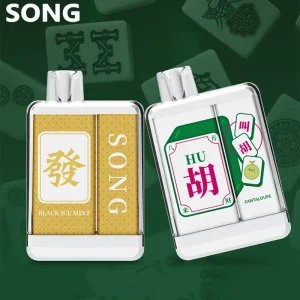
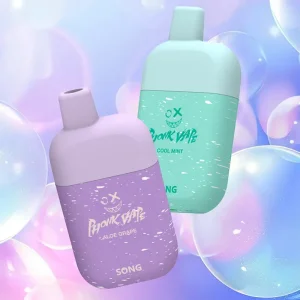
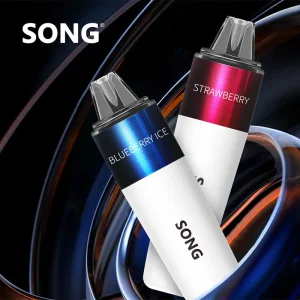
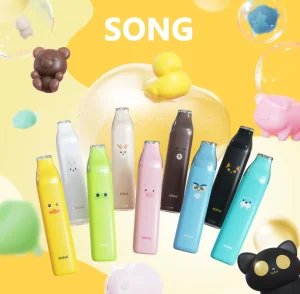

The global disposable electronic cigarette market has entered an era of rapid structural maturity. Valued at over $6.8 billion in 2023, the sector is expanding at a CAGR exceeding 11.2% toward 2030. High-volume procurement directors and brand owners no longer evaluate OEM disposable vape suppliers purely on basic unit costs. Today, market share is captured through architectural innovation, e-liquid chemical stability, mesh coil thermodynamic engineering, and automated manufacturing compliance.
Historical entry-level models offering 600 to 1,500 puffs have rapidly pivoted toward high-capacity smart disposables ranging from 6,000 to over 25,000 puffs. This transition is enabled by re-chargeable pure cobalt lithium-ion batteries, integrated LED/TFT interactive display screens, and dual-core atomization engines. Importers seeking enterprise-level factory contracts must understand the core manufacturing economics, supply chain resilience, and precise Bill-of-Materials (BOM) pricing models that dictate profitability in global wholesale channels.
To maintain product differentiation across competitive wholesale ecosystems, OEM factories are integrating complex microelectronics and advanced material science into modern disposable hardware. The primary technology vectors reshaping factory production lines include:
Single micro-mesh coils are being replaced by dual-mesh structures operating on alternating firing algorithms (e.g., Pulse Mode or Boost Mode). By switching between two separate 1.0Ω resistance coils every 1.5 seconds, core temperatures remain below 220°C, effectively eliminating carbon buildup and preventing flavor degradation over extended 15,000+ puff lifespans.
Modern consumer expectations demand full visibility over operational parameters. Factory-installed microcontrollers feed real-time battery voltage sensing and e-liquid resistance decay metrics directly to color HD/LED interfaces, giving users precise percentage indicators for e-liquid remaining and charge status.
With tightening environmental scrutiny (such as the UK and European directives on single-use plastics), top-tier factories are developing modular disassembly architecture. PCR (Post-Consumer Recycled) plastics, aluminum alloy shells, and solder-less battery retention clips enable simplified material separation at municipal recycling centers.
Over 95% of the world's disposable vape hardware originates within the tightly integrated industrial clusters of Shenzhen (Bao'an District) and Dongguan, China. This geographical consolidation represents an unmatched industrial moat characterized by extreme supply chain density, rapid prototyping turnaround, and highly automated production processes.
Leading OEM factories utilize 100% automated robotic liquid filling machines operating inside Class 8 GMP dust-free cleanrooms. Automatic vacuum-pressure sealing reduces human contact, ensures sterile e-liquid deposition at speed ratios of 120 units/minute, and maintains liquid volumetric tolerances within ±0.05mL per tank.
Enterprise-grade ODM manufacturers maintain dedicated analytical chemistry labs equipped with High-Performance Liquid Chromatography (HPLC) and Gas Chromatography-Mass Spectrometry (GC-MS). This guarantees that every batch of synthetic or natural nicotine e-liquid meets stringent heavy-metal, TAME, and residual solvent thresholds before atomization assembly.
Understanding the core cost structure of OEM disposable vapes is critical for volume buyers negotiation, margin optimization, and price positioning. Factory quotes are typically structured around volume tiers, component specifications (battery grade, chip complexity, puff capacity), and custom packaging artwork.
Below is an authoritative factory benchmark pricelist derived from industry manufacturing data across primary product configurations:
| Device Category & Specification | Puff Range | Tank Capacity | MOQ (Units) | EST. Factory FOB Unit Price (USD) | Core Features Included |
|---|---|---|---|---|---|
| TPD Compliance Standard | 600 - 800 Puffs | 2.0 mL | 10,000 | $0.85 - $1.25 | Single Mesh, 400mAh Battery, TPD Warning Box, Child Proof Option |
| Mid-Capacity Compact Pod | 3,500 - 5,000 Puffs | 8.0 - 10.0 mL | 5,000 | $1.65 - $2.20 | 1.2Ω Mesh Coil, Type-C Rechargeable 550mAh, Airflow Control |
| High-Puff Smart Display | 9,000 - 12,000 Puffs | 14.0 - 16.0 mL | 3,000 | $2.45 - $3.30 | Single LED Screen (Battery & E-liquid %), 650mAh Pure Cobalt, Rubber Paint |
| Dual Mesh Flagship Beast | 15,000 - 25,000 Puffs | 18.0 - 22.0 mL | 2,000 | $3.40 - $4.60 | Dual Mesh Alternate Heating, Full HD TFT Screen, Wattage Switch (12W-24W) |
| Nicotine Pouches (Oral Alternate) | 20 Pouches/Can | Dry/Moist Pouch | 20,000 Cans | $0.45 - $0.75 | Food-Grade Flavoring, Non-Tobacco Nicotine, Sealed Can Packaging |
Note: Actual FOB Shenzhen rates vary depending on custom flavor formulation fees, localized regulatory compliance testing (e.g., TPD notification dossiers), surface treatments (UV printing, leather wrap, soft-touch rubber), and shipping terms (FOB, CIF, DDP).
Navigating international regulatory frameworks is the single most critical factor determining market entry success for vape importers. Reputable OEM factories provide legal engineering assistance to ensure products adhere to local jurisdiction standards:
Requires a maximum pre-filled tank volume of 2.0mL, a ceiling nicotine strength of 20mg/mL (2%), emission testing for carbonyl compounds, and mandatory 6-month prior TPD notification submission. Packaging must carry standard tactile warnings and mandatory health warning panels covering 30% of packaging surfaces.
In the US market, products fall under Premarket Tobacco Product Application (PMTA) pathways. Factories must supply complete engineering dossiers, environmental assessments, HPHC (Harmful and Potentially Harmful Constituents) vapor testing, and ISO 17025 lab verification for both natural and synthetic nicotine products.
Middle Eastern jurisdictions (e.g., UAE ESMA compliance) enforce strict laboratory certification regarding e-liquid purity, child-resistant packaging, and digital tracking stamps (Watermarked QR tracing). Emerging LATAM markets prioritize custom strength profiles (3% to 5% salt nicotine) and robust shipping seals to withstand humid transport.
OEM disposable products are engineered to cater to diverse international retail distribution ecosystems. Selecting the optimal hardware architecture directly corresponds to targeted sales channels:
High throughput convenience networks require ultra-reliable, compact hardware with immediate brand recognition. Sleek pen-style or card-style disposables (600 - 3,500 puffs) with bold flavor branding, tamper-evident seals, and compact counter display units (CDUs) drive impulse purchases and maximize velocity per square foot.
Vape specialty channels demand premium features, intense cloud production, and customizable user settings. High-puff models featuring variable wattage, dual mesh coils, interactive screens, and premium outer shell finishes (leather inserts, metallic electroplating) command higher retail margins and foster brand loyalty.
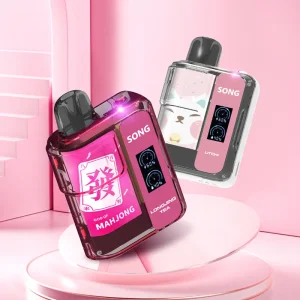
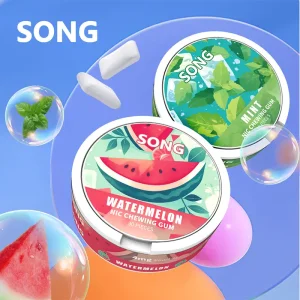
Review our secondary portfolio of high-demand disposable vapes and alternative oral nicotine configurations ready for custom brand labeling, bulk production, and international logistics deployment.

Clear, transparent answers addressing technical, compliance, and purchasing workflows for international distribution buyers.
OEM (Original Equipment Manufacturer): You select an existing factory-developed hardware model (casing, battery, coil architecture) and customize external branding, colorways, surface textures, e-liquid flavor profiles, nicotine concentration, and retail box packaging.
ODM (Original Design Manufacturer): The factory creates an entirely custom, proprietary device from scratch based on your industrial design concepts. This includes custom structural tooling, bespoke PCB electronics development, unique battery casing dimensions, and exclusive flavor formulations protected by non-disclosure agreements (NDA).
For standard OEM branding on existing catalog models, the typical factory MOQ is 2,000 to 5,000 units per flavor. For fully customized ODM hardware requiring new plastic injection molds, MOQs start at 10,000 to 30,000 units.
Lead Times: Pre-production sample confirmation takes 5 to 7 business days. Bulk mass production requires 15 to 25 calendar days post-sample signoff, depending on packaging complexity and e-liquid aging/steeping schedules.
Top-tier China factories employ automated e-liquid mixing systems governed by strict ERP recipe locks. Quality assurance SOPs follow AQL 0.65 Level II standards, including automated 100% vacuum pressure chamber testing to eliminate leakage, simulated altitude pressure testing for air-freight stability, and battery drop tests before final boxing.
Disposable vapes contain built-in lithium batteries and e-liquid, classifying them as Class 9 Dangerous Goods under UN 3481 shipping rules. Reputable factories partner with licensed DG freight forwarders capable of providing MSDS (Material Safety Data Sheets), UN38.3 battery transport certs, and complete DDP (Delivered Duty Paid) air or sea freight solutions direct to destination warehouses.
Yes. Factories build dedicated TPD-compliant configurations featuring certified 2.0mL reservoir tanks, 20mg/mL nicotine limits, and leak-proof internal traps. Furthermore, factories supply complete analytical emissions documentation (aldehydes, diketones, heavy metals) needed for your EU portal submission.