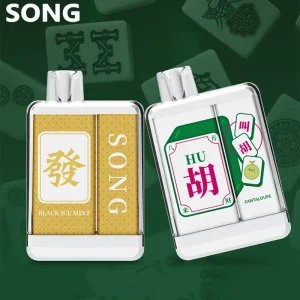
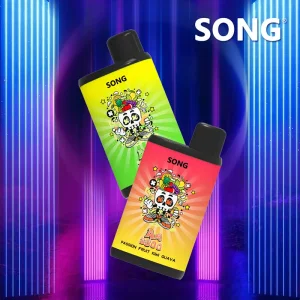
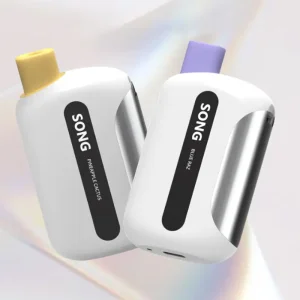
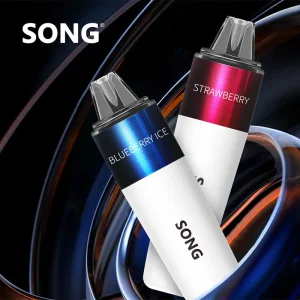
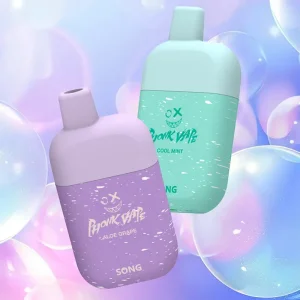
Explore our top-tier factory direct selections. Engine-configured for maximum flavor fidelity, regulatory compliance, and consistent draw performance across global distribution channels.
In the rapidly maturing electronic nicotine delivery systems (ENDS) market, the term OEM Pen Vape Manufacturer has expanded far beyond simple contract assembly. Modern procurement directors, fast-moving consumer goods (FMCG) brand executives, and enterprise distributors demand a sophisticated synthesis of micro-electronic engineering, aerosol fluid dynamics, customized e-liquid chemistry, and stringent international compliance frameworks.
A pen vape device represents a precise interplay between a high-discharge pure-cobalt or lithium-ion battery cell, a custom-tuned heating element (typically mesh coil technology utilizing kanthal or stainless steel alloys), an organic cotton or porous ceramic wicking matrix, and a leak-proof pneumatic airflow chamber. Navigating the choices between these structural components dictates not only the retail price point but also consumer retention, device reliability, and brand equity.
Over 90% of the world's vaping hardware is designed and manufactured within the Pearl River Delta. Partnering directly with an established China OEM factory unlocks unmatched structural cost efficiency, R&D agility, and component availability.
Proximity to battery cell foundries, precision injection mold makers, SMT (Surface Mount Technology) circuit board manufacturers, and synthetic nicotine formulators reduces prototype turnaround times from months to as few as 72 hours.
Leading OEM factories employ Class 100,000 dust-free cleanrooms equipped with automated e-liquid filling machinery, ultrasonic pod sealing systems, and robotic optical inspection (AOI) to eliminate human error and cross-contamination.
By leveraging massive monthly production volumes, Tier-1 factories offer aggressive unit pricing, flexible MOQ thresholds for private-label customization, and low-cost or waived custom mold tooling costs for high-volume enterprise orders.
Enterprise buyers executing a private-label pen vape strategy require a structured, audited procurement methodology that mitigates regulatory risk, ensures yield stability, and protects intellectual property.
Before engineering drawing creation, target market compliance must be established. A device destined for the European Union must strictly observe TPD (Tobacco Products Directive) constraints: maximum 2.0mL e-liquid reservoir, 20mg/mL nicotine ceiling, child-resistant design, and emission testing protocols. Conversely, North American or Middle Eastern destinations may target higher capacity reservoirs (6.0mL to 15.0mL+) with custom nicotine salt strengths ranging from 0% to 5% (50mg/mL).
Industrial designers tailor the ergonomic silhouette of the pen vape. Material choices range from lightweight aluminum alloy with anodized or soft-touch tactile rubber coatings to food-grade PCTG or eco-conscious biodegradable PLA shell casings. Internal mechanical drafting focuses on anti-leakage labyrinth structures, pressure-differential pneumatic draw channels, and heat-dissipation pathways.
Flavor performance is not merely a function of e-liquid ingredients; it is an equilibrium between coil resistance (e.g., 0.8Ω, 1.0Ω, or 1.2Ω mesh), wicking speed, airflow volume, and operating wattage. Specialized flavorists execute custom batch trials using high-purity USP/EP grade Vegetable Glycerin (VG), Propylene Glycol (PG), pharmaceutical-grade nicotine, and food-grade flavor concentrates.
Before full-scale mass production, a pre-production sample (PPS) pilot run is executed. Devices undergo rigorous testing: Negative Pressure Chamber Testing (simulating high-altitude air transport to prevent leakage), Thermal Shock Testing (-20°C to 60°C environment cycles), Vibration and Drop Testing, and Automated Puff Machine Aerosol Gas Chromatography to evaluate heavy metals and emissions consistency.
Regulatory fragmentation across continents is the single greatest obstacle for vape brand scale. A qualified OEM manufacturer acts as a compliance backbone, supplying required technical dossiers and certifications.
Full assistance with EU TPD Article 20 submissions, including ECID registration support, emissions lab reports (carbonyls, metals), CLP warning packaging layout, and compliant 2ml refillable or disposable architectures.
Provision of complete Master Files (MAF) submitted to the FDA, detailed constituent testing (HPHC analysis), environmental assessments, and supply chain tracking required for Premarket Tobacco Product Applications.
Registration with the UK Medicines and Healthcare products Regulatory Agency (MHRA) and compliance with UAE/Saudi Arabia ESMA/ECAS standards, ensuring seamless customs clearance and legal retail placement.
Direct coordination for Class 9 Dangerous Goods air and sea freight shipments, backed by certified UN38.3 lithium battery safety reports, Safety Data Sheets (MSDS), and drop-test packaging compliance.
To maintain market leadership, enterprise brands must integrate cutting-edge technological advancements into their upcoming OEM product pipelines.
Traditional single mesh coils suffer from flavor degradation towards the end of device life. Dual mesh systems alternate firing between two elements or activate simultaneous "Boost Mode" power, ensuring peak flavor fidelity from the 1st puff to the 10,000th puff.
Miniaturized Micro-Controller Units (MCUs) connected to high-definition color or LED displays report real-time battery percentage, remaining e-liquid volume estimates, puff counts, and wattage modes—delivering a high-tech consumer experience.
As environmental regulations tighten globally, forward-thinking manufacturers are introducing modular designs with easy-to-remove lithium battery cells for recycling, PCR (Post-Consumer Recycled) plastic casings, and fully plastic-free paperboard shells.
Understanding how pen vape form factors fit into specific retail environments allows importers to customize device aesthetics, display packaging, and price-per-puff ratios.
High foot-traffic retail environments require compact, ultra-reliable pen vapes with high visual pop. Blister-pack packaging, point-of-sale (POS) display counter units, clear flavor color-coding, and instantly recognizable puff counts are critical for impulse purchases.
Enthusiast consumers seeking richer vapor production favor advanced pen vapes with adjustable airflow toggles, dual-mesh coil switching, lower nicotine strengths (20mg/ml or 30mg/ml), and complex gourmet flavor blends (e.g., dessert, beverage, exotic botanical infusions).
Online brands benefit from sleek, lightweight pen vape designs optimized for letterbox-friendly shipping. Packaging must emphasize tamper-evident security seals, batch traceability QR codes, and high aesthetic appeal for unboxing video marketing.
Review additional proven hardware platforms ready for immediate OEM brand adaptation, private-label packaging, and bulk global shipment.
Detailed technical and commercial answers addressing key search queries from importers, distributors, and brand managers.