
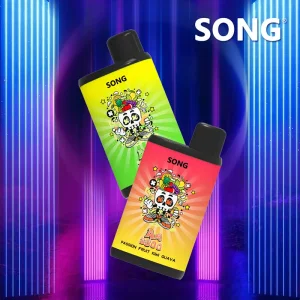
Explore high-performance 510 batteries, disposable pods, and custom OEM platforms manufactured in ISO 9001 certified facilities.
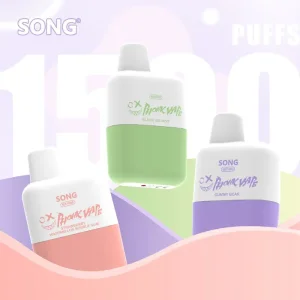
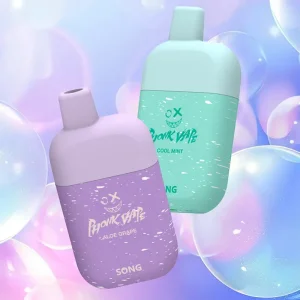
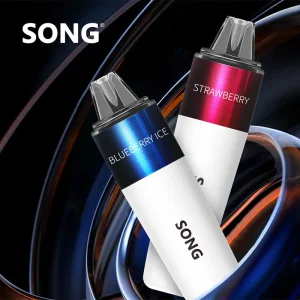

A comprehensive analysis of global B2B supply chains, technological shifts in voltage regulation, and OEM factory quotation metrics.
The global 510 thread vape pen industry has evolved from a standardized commodity market into a highly specialized ecosystem driven by electrical engineering precision, material science, and stringent international compliance. Originally introduced as a universal screw-thread standard (M7 x 0.5mm threading), the "510" specification has become the benchmark for vaporizing oil distillates, botanical extracts, synthetic formulations, and nicotine liquids worldwide.
For enterprise procurement officers, brand owners, and high-volume wholesale importers, navigating the landscape of Wholesale 510 Vape Pen Factories & Quotes requires a rigorous technical understanding of battery chemistry, ceramic porosity, thermal dissipation curves, and yield rate benchmarks. With the global vaping hardware market projected to maintain a CAGR exceeding 14.5% through 2030, factory selection is no longer merely a cost-per-unit negotiation—it is a critical supply-chain risk management decision.
Advanced PCB designs incorporate active load balancing to maintain constant wattage output even as battery cell voltage drops from 4.2V down to 3.2V, preventing burnt taste or under-vaporization.
100% lead-free brass center pins and medical-grade SUS316 stainless steel fluid channels ensure zero heavy metal leaching under extreme acid/alkaline formulation tests.
Sub-micron porous ceramic matrices (pore size 10-15μm) engineered specifically for varying oil viscosities from 50,000 cP to over 1,000,000 cP without dry hits.
A granular breakdown of mechanical tolerances, battery chemistry selection, and thermal regulation pathways.
| Technical Parameter | Standard Industry Grade | SONG Factory Enterprise Grade | B2B Quality Impact |
|---|---|---|---|
| Battery Cell Type | Recycled / Grade B 13450 Cobalt | Grade A Pure Cobalt 13450 / 14500 | Prevents voltage drop, extends shelf life to 12+ months without self-discharge. |
| Threading Tolerance | M7 x 0.5mm (±0.08mm) | CNC Machined M7 x 0.5mm (±0.02mm) | Eliminates connection wobble, prevents thread stripping across cartridge brands. |
| Internal Wiring & Soldering | Manual Lead Solder Wire | Automated Laser Spot Welding + Lead-Free | Zero internal resistance thermal spikes, passes strict EU RoHS & FDA audits. |
| Activation Mechanism | Basic Airflow Sensor (High Fail Rate) | Dual-Shield Pneumatic Sensor + Tactile Push-Button | Prevents auto-firing, eliminates false triggers in high-humidity transit. |
| Failure Rate Threshold | 1.0% – 3.0% Industry Average | < 0.08% Factory Benchmark | Reduces RMA replacement costs for wholesale distributors to near zero. |
When requesting quotes from 510 vape pen factories, enterprise buyers must demand itemized Cost-of-Goods-Sold (COGS) breakdowns. Key cost drivers include Lithium-ion cell pricing, IC micro-controller chipsets, housing treatment (anodized aluminum vs. rubberized paint), and custom blister or rigid box packaging. SONG Technology provides transparent, locked-tier contract pricing to protect brand margins against global supply chain fluctuations.
Navigating FDA, TPD, heavy metals testing, and electrical safety standards across North America, Europe, and Asia-Pacific.
Regulatory compliance is the definitive gateway for legal market entry. A single compliance breach can result in customs seizures, brand bans, or catastrophic product recalls. Professional 510 vape pen factories operate comprehensive in-house testing laboratories equipped with ICP-MS (Inductively Coupled Plasma Mass Spectrometry) to verify zero heavy metal leachates in liquid contact parts.
In the United States, hardware suppliers must comply with stringent UL 8139 certification protocols governing electrical system safety in e-cigarettes and vaping devices. Furthermore, state-level regulations (such as California Heavy Metals Phase 3 testing) mandate strict upper limits for Lead (<0.5 μg/g), Cadmium (<0.5 μg/g), Arsenic (<1.5 μg/g), and Mercury (<3.0 μg/g). All SONG 510 batteries utilize medical-grade non-leaching components certified under FDA master file standards.
For European buyers, 510 thread devices must comply with the Tobacco Products Directive (TPD) Article 20 requirements where applicable, along with CE safety marking, RoHS (Restriction of Hazardous Substances), and WEEE battery disposal recycling notifications. SONG provides full technical documentation files (TDF) and lab emission test reports to streamline regulatory notification processes for regional brand partners.
From initial CAD rendering to mass production burn-in testing, discover how SONG guarantees zero batch-to-batch deviation.
Every incoming batch of lithium batteries, microchips, and ceramic cores undergoes strict Incoming Quality Control testing including X-ray weld checks and capacity capacity verification.
Surface Mount Technology (SMT) lines automatically assemble PCB control boards, minimizing human error and ensuring uniform micro-voltage precision across millions of units.
Cartridges and integrated pods are subjected to high-altitude simulated negative pressure vacuum chambers (-0.8 bar) to guarantee zero leakage during air freight transport.
Sample units from every production lot undergo 100% full-cycle automated puff simulation to verify heat distribution, resistance tolerance (±0.05Ω), and sensor response time.
Final Outgoing Quality Control checks drop resistance, high/low temperature storage (-20°C to 60°C), and retail packaging barcode readability prior to container sealing.
Browse our expanded line of high-capacity disposable vape systems, specialized flavor pods, and high-discharge 510 batteries.
How artificial intelligence, biodegradable pod housings, and solid-state battery tech are revolutionizing wholesale hardware manufacturing.
The vaping industry stands at the threshold of a technological renaissance. As consumer preferences shift toward higher control, personalization, and environmental sustainability, OEM/ODM factories are investing heavily in next-generation hardware architectures:
Integrated Bluetooth Low Energy (BLE) micro-controllers enable smartphone app pairing for child-lock security, precise temperature control profiles (±1°C), and puff counting analytics for therapeutic formulations.
Pioneering eco-friendly material formulations replacing standard ABS plastics with PLA (polylactic acid) hemp plastics and fully recyclable aluminum alloys, drastically lowering carbon footprint fees in EU markets.
Replacing liquid electrolyte lithium cells with solid-state chemistry offering 30% higher energy density, faster Type-C quick-charge cycles (0-80% in 12 minutes), and zero thermal runaway risk.
Essential answers to critical technical, financial, and logistical questions asked by corporate buyers and global brand owners.
For standard catalog 510 batteries and disposable hardware with simple silk-screen branding, factory MOQs typically start at 1,000 to 3,000 units per colorway. For fully customized hardware—including custom tooling molds, unique pantone rubberized finishes, bespoke internal PCB firmware, or custom retail display packaging—factory MOQs generally range between 5,000 and 10,000 units. SONG Technology offers tiered sampling programs to support brand validation prior to full mass-production scaling.
Factory quotes are structured based on five main cost variables: (1) Battery cell grade and capacity (e.g., Grade A pure cobalt vs. ternary lithium, 280mAh vs. 650mAh), (2) Micro-controller IC specs (variable voltage, pre-heat functions, LED screen integration), (3) Outer shell material and finishing process (anodized aluminum, stainless steel, UV print, laser etching), (4) Testing & compliance certifications required (UL, CE, RoHS, heavy metal lab screening), and (5) Shipping volume and packaging complexity (bulk tray packing vs. custom retail boxes).
Heavy metal leaching occurs when acidic or highly terpene-rich oils corrode substandard brass center pins over time. SONG factories eliminate this risk by employing 100% lead-free H59 brass with high-density chrome plating, or solid medical-grade SUS316 stainless steel internal chimneys. Furthermore, all internal silicone seals are manufactured from food-grade cured silicone certified under FDA 21 CFR 177.2600. Every production batch undergoes independent 3rd-party ICP-MS laboratory testing before shipment.
Standard lead times follow a structured milestone schedule: (1) Sample Creation & Proofing: 5–7 business days. (2) Pre-Production Approval: 3 days after client receipt. (3) Mass Component Sourcing & SMT Assembly: 12–15 days. (4) Mass Production Assembly & Aging/Burn-In Testing: 5–7 days. (5) Outgoing Quality Auditing & Packaging: 2–3 days. In total, standard OEM mass production averages 21 to 28 calendar days from final sample sign-off.
Yes. Viscosity compatibility is determined by matching cartridge ceramic aperture hole sizes (ranging from 1.0mm for thin distillates to 2.4mm for thick live rosin/resin extracts) with battery voltage output. SONG 510 batteries feature intelligent 3-tier variable voltage settings (e.g., 2.4V for terpene preservation, 3.0V for standard distillates, and 3.6V for high-density thick extracts) alongside a 1.8V soft pre-heat function to prevent cartridge clogging and coil burn-out.
SONG guarantees an enterprise-grade factory defect threshold of under 0.08%. In the rare event that a defect exceeds this threshold, every shipment is backed by a 12-month comprehensive factory warranty. Defective units identified during client QC receiving are replaced free of charge on the subsequent order cycle, or refunded via contract credit notes upon receipt of batch inspection reports.
Contact our B2B engineering and sales team today for custom product catalogs, factory audit reports, and instant OEM/ODM price quotes within 24 hours.