Explore our top-tier export-ready disposable vapes and alternative nicotine lines manufactured in compliance with global safety standards.
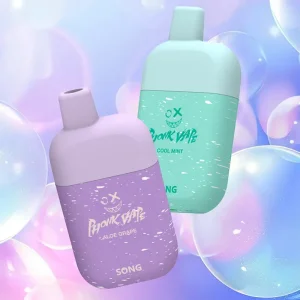
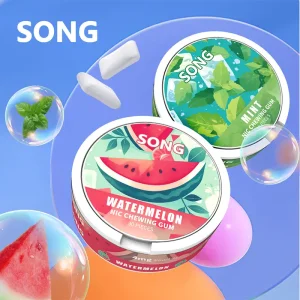
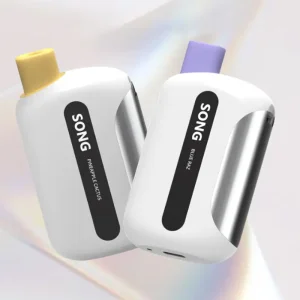

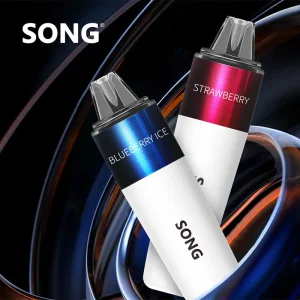


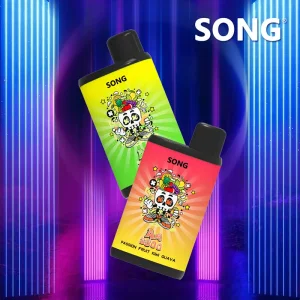
As global regulations tighten and consumer preferences evolve toward sophisticated atomization technology, enterprise procurement officers must look beyond simple unit prices to evaluate complete supply chain resilience, safety engineering, and compliance agility.
The global electronic nicotine delivery systems (ENDS) market has undergone a paradigm shift over the past three years. Transitioning from unregulated commoditization to strict regulatory oversight (such as the EU Tobacco Products Directive TPD2, US FDA Premarket Tobacco Product Applications PMTA, and China's MHRA/TOBACCO MONOPOLY mandates), wholesale importers and brand owners require manufacturing partners capable of delivering high-volume output alongside airtight compliance files.
Modern B2B buyers seeking dependable Wholesale E Vape Pen Suppliers & Factory options face a complex decision matrix. Cost optimization can no longer come at the expense of battery cell safety, e-liquid purity, micro-circuit control, or environmental compliance. Advanced manufacturing facilities in Shenzhen and Dongguan have adapted by constructing medical-grade Class 100,000 dust-free cleanrooms, implementing automated liquid filling and sealing systems, and establishing full-spectrum analytical laboratories for gas chromatography-mass spectrometry (GC-MS) testing.
Over 95% of the world's vaporizers originate from the Bao'an and Dongguan industrial clusters. Understanding this ecosystem explains why sourcing direct from China tier-1 factories offers unparalleled advantages in R&D turnaround, unit economics, and hardware scaling.
From precision injection molding and CNC battery shell extrusion to automated SMT board placement and custom flavor compounding, the proximity of raw material vendors reduces R&D cycle times from months to days.
Tier-1 OEM facilities utilize robotic assembly lines featuring automated visual inspection (AVI) to detect cosmetic defects, oil-fill level variations, and contact resistance inconsistencies in real time.
Mass purchasing power for raw materials combined with hyper-efficient manufacturing operations delivers superior margins for global distributors, multi-state operators (MSOs), and white-label brand portfolio managers.
The vape hardware market is accelerating toward smart hardware integration, advanced thermal control, and eco-friendly material innovation. B2B importers must align with factories actively developing these technologies.
Modern consumers demand customizable vapor density. Advanced disposable devices now feature dual-mesh coils paired with intelligent micro-processing chips. Users can switch between "Regular Mode" for maximum puff count and "Turbo Mode" for boosted flavor saturation and vapor output.
Engineers calibrate resistance parameters (e.g., dual 1.0Ω coils operating in parallel at 0.5Ω) to ensure stable thermal absorption without scorch marks or dry hits throughout the e-liquid lifecycle.
Transparent real-time diagnostics are now standard in premium hardware ranges. Integrated high-definition LED and TFT screens monitor both real-time e-liquid volume estimates and battery discharge status.
Custom power management ICs prevent overcharging, thermal runaway, and short circuits, ensuring long shelf life during sea transit and warehouse storage.
E-liquid science has evolved beyond traditional tobacco extracts. SONG and leading R&D centers incorporate food-grade vegetable glycerin (VG) derived from organic plant bases, blended with ultra-pure pharmaceutical-grade nicotine salts (USP/EP grade).
This formulation technique reduces throat harshness while maximizing terpene and aroma stability under heat stress.
With environmental directives such as the EU Waste Electrical and Electronic Equipment (WEEE) regulations gaining enforcement traction, next-gen factories are replacing single-use non-recyclable plastics with post-consumer recycled (PCR) resins, aluminum alloy bodies, and detachable battery modules for simplified recycling.
A one-size-fits-all product strategy rarely succeeds globally. B2B buyers must tailor their OEM specifications to the legal frameworks and consumer habits of target destination markets.
Regulatory Standard: TPD / TRPR Compliant
Regulatory Standard: PMTA / Local Authorizations
Regulatory Standard: ESMA / SASO Standards
Partnering with a specialized factory requires a structured, audit-ready workflow. Below is the operational protocol executed for private-label clients.
Specification of target region, local compliance boundaries, target retail pricing, desired flavor portfolio, puff targets, and annual volume forecasting.
Industrial design rendering, 3D mockups, custom e-liquid blending by master mixologists, and preliminary coil-to-liquid heating compatibility trials.
Golden sample sign-off. Comprehensive testing including drop testing, thermal shock, battery safety validation, and heavy metal aerosol analysis.
Automated cleanroom assembly, batch coding, retail carton printing, customs clearance documentation preparation, and bonded logistics dispatch.
Review additional models available for white-label distribution, OEM pod customization, and nicotine pouch order placement.


Clear answers to essential operational, technical, and regulatory questions asked by import managers and procurement agencies.
Connect directly with our engineering and export account teams to request technical specification sheets, custom formulation samples, or factory audit schedules.