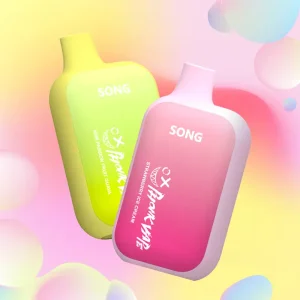
Explore our primary batch-ready rechargeable vaporizers, pod systems, and OEM disposable platforms configured for high-volume global importers and brand owners.
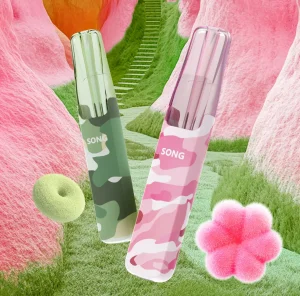
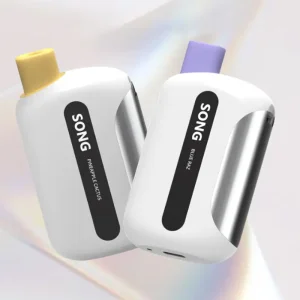
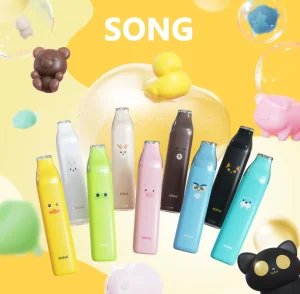

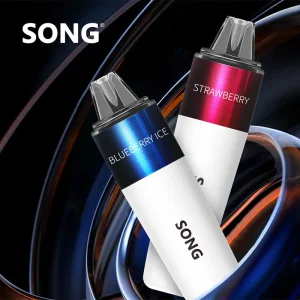
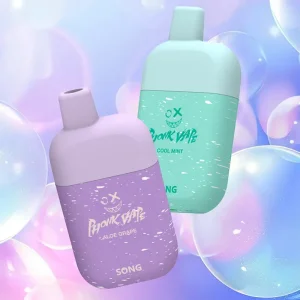
The global electronic atomization sector is experiencing a monumental paradigm shift. As environmental stewardship, cost efficiency, and performance stability redefine consumer preferences, rechargeable pen-style devices (including rechargeable disposables, open pod pens, and closed pre-filled systems) have surged to dominate market share across North America, Europe, Latin America, and Southeast Asia.
Historically, single-use non-rechargeable vapes suffered from a major operational limitation: the internal lithium-ion battery frequently depleted prior to the complete atomization of the pre-filled e-liquid reservoir. This mismatch resulted in premature product disposal, consumer dissatisfaction, and substantial battery waste. The integration of high-efficiency Type-C rechargeable ports and smart Micro-Controller Units (MCUs) transformed the market economics. Importers can now offer high-capacity devices (ranging from 600 puffs to over 15,000 puffs) housed in sleek, ergonomic pen-shaped form factors without inflating battery cell volume or logistics costs.
Rechargeable pen platforms maximize e-liquid utilization to 99.8%, allowing retailers to command higher retail price points while lowering land cost per unit for importers.
By drastically reducing raw battery mass per 1,000 puffs, brand owners meet increasingly strict European ESG compliance guidelines and consumer recycling demands.
Regulated voltage outputs in modern rechargeable batteries prevent flavor degradation, burning, or power drop-offs commonly seen in fading disposable batteries.
Professional wholesale procurement requires deep scrutiny of hardware specifications. A premium rechargeable vape pen is a highly engineered electro-mechanical assembly operating under strict thermal and fluid-dynamic parameters.
Our OEM manufacturing facilities utilize high-density Pure Cobalt Pure-Lithium cells (A-Grade) capable of enduring 300 to 500 complete recharge cycles with less than 15% capacity degradation. Lower-tier manufacturers often substitute binary or ternary lithium cells to cut costs, leading to high thermal expansion, unstable voltage curves, and early cell death.
The heart of aerosol generation lies in heating technology. For standard freebase nicotine and lower-viscosity e-liquids, micro-porous ceramic cores (0.8Ω to 1.2Ω) deliver unmatched throat hit purity and zero dry-hit risks. For modern high-puff nicotine salt devices, laser-etched Sub-Ohm Mesh Coils (0.6Ω to 1.0Ω) provide larger surface contact areas, accelerating ramp-up times and delivering instantaneous vapor cloud density.
| Technical Parameter | Laser-Etched Mesh Coil (0.8Ω - 1.0Ω) | Micro-Porous Ceramic Core (1.2Ω - 1.4Ω) |
|---|---|---|
| Target E-Liquid Type | Nicotine Salts (20mg - 50mg), High VG/PG Blends | Thick Oils, Distillates, Freebase Nicotine (0mg - 18mg) |
| Heating Ramp-Up Speed | Instantaneous (<0.01 seconds) | Gradual Smooth Thermal Ramp (0.05 seconds) |
| Vapor Cloud Density | High / Dense Volumetric Cloud Output | Medium / Ultra-Fine Particle Aerosol |
| Flavor Reproduction Fidelity | Exceptional Sweetness & Complex Note Separation | Clean, Neutral Base Profile & Intense Throat Hit |
| Lifespan (Liquid Throughput) | 15mL to 25mL E-liquid Capacity | 10mL to 15mL E-liquid Capacity |
Shenzhen and Dongguan produce over 90% of the world's vape devices. Partnering directly with audited Chinese factories provides global wholesalers with unparalleled cost structures, speed-to-market, and manufacturing agility.
Integrated CAD/CAM rapid prototyping facilities allow custom industrial designs to move from 3D rendering to working sample units in under two weeks.
Production lines operate within ISO 13485 / Class 8 dust-free cleanrooms. Automated e-liquid filling and capping systems ensure exact dosing per pod.
Direct raw material partnerships with battery manufacturers, injection molders, and flavor houses yield 25% to 35% component cost savings passed to buyers.
China's atomization ecosystem encompasses localized supply loops where micro-components (silicone sealants, sensors, PCTG pods, zinc-alloy housings, and packaging printing) are sourced within a 30-mile radius. This geographical cluster eliminates international supply chain friction, buffering global buyers against raw material shortages and enabling flexible minimum order quantities (MOQs).
Navigating factory procurement requires selecting the appropriate manufacturing model aligned with your brand maturity, distribution network, and capital expenditure goals.
Choose from pre-certified, ready-to-fill standard device platforms. Fastest path to market (15-20 days), zero NRE tooling costs, and low MOQs starting at 1,000 units.
Apply custom branding, localized surface finishes (IMD, rubberized paint, gradient anodization), customized e-liquid flavor profiles, and bespoke retail packaging.
Full-stack industrial engineering from scratch. Exclusive mold creation, proprietary airflow mechanics, customized PCB programming, and IP registration ownership.
Factory-level quality control is the key to preventing massive recall costs in destination markets. Professional rechargeable pen manufacturing follows four mandatory inspection gates:
Distributing electronic vapor pens globally requires adherence to rigid regional legal frameworks. A reputable OEM manufacturing partner supplies full technical dossiers to clear customs smoothly.
Mandatory 2.0mL liquid reservoir caps, 20mg/mL maximum nicotine limits, child-resistant packaging, tactile warning triangles, and emissions test data submission.
Comprehensive toxicological analysis, HPHC (Harmful and Potentially Harmful Constituents) reporting, software security verification, and environmental impact assessments.
UN38.3 battery transport clearance, MSDS (Material Safety Data Sheets), CE, RoHS, and WEEE electrical waste compliance certification.
A successful wholesale purchasing program must align hardware configurations with the distinct sensory preferences and regulatory realities of target regional markets.
Prefers ultra-compact, discreet pen form factors (under 15mm thickness), 2mL pod capacity, 20mg/mL nicotine salt, smooth draw resistance (MTL - Mouth To Lung), and subtle metallic finishes.
Demands high fluid capacities (10mL to 20mL), rechargeable 650mAh batteries, smart LED screen power/liquid meters, dual mesh coils, and intense ice/fruit flavor profiles.
Highly price-sensitive; prioritizes maximum puff count per dollar spent, robust drop-resistant ABS/PC chassis construction, high nicotine strength options, and vivid packaging visuals.
Future-proofing your product line requires stocking devices integrated with next-generation smart micro-electronics and sustainable material science.
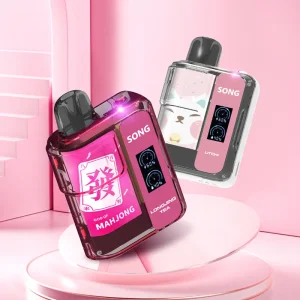
Review our extended catalogue of market-tested rechargeable devices, high-capacity tanks, and customizable private label platforms.
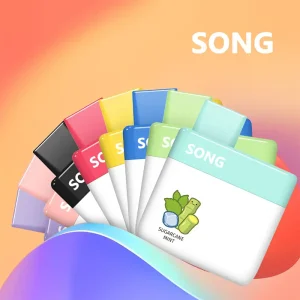
Direct technical and commercial answers designed for enterprise procurement directors, supply chain managers, and brand founders.
Our baseline factory MOQs depend on customization levels. For standard white-label products in existing catalog colors and pre-certified flavors, MOQs start at 1,000 units per flavor profile. For full OEM private labeling (custom shell colors, branded silk-screening, and bespoke retail boxes), the standard MOQ is 3,000 to 5,000 units per flavor. Fully custom ODM projects requiring dedicated plastic injection tooling start at 50,000 units total volume across agreed schedules.
Battery safety is managed via certified supply chain protocols. All our lithium-ion cells carry UN38.3 transport certificates, MSDS documentation, and pass altitude simulation (11.6 kPa pressure test), thermal cycle testing (-40°C to +72°C), and vibration stress checks. Products shipped with integrated rechargeable batteries are classified under dangerous goods regulations (PI967 / UN3481) and are palletized with anti-static safety wrapping and fire-retardant outer cartons.
Yes. Our in-house flavor chemistry laboratory offers over 500 pre-formulated flavor bases and can engineer proprietary flavor profiles tailored to your regional market. We support synthetic nicotine salts, tobacco-derived nicotine salts, and zero-nicotine (0mg) options across concentrations ranging from 0.5% (5mg/mL) to 5.0% (50mg/mL), formulated with USP-grade Vegetable Glycerin (VG) and Propylene Glycol (PG).
Pre-production sample delivery (including custom logo printing and sample e-liquid filling) takes 5 to 7 business days. Upon sample sign-off and deposit receipt, standard mass production cycles require 15 to 21 calendar days for batch manufacturing, automated filling, aging, and QC testing. Air freight logistics (express delivery to door DDP) require an additional 7 to 10 days, while sea or rail cargo transport takes 25 to 35 days depending on the destination port.
We enforce strict quality control to maintain defect rates under 0.05% (5 units per 10,000 shipped). In the event of manufacturing defects, liquid leaks, or battery failures occurring during transit or shelf storage, we operate a 1:1 replacement warranty policy. Enterprise clients simply submit high-resolution video/photo evidence detailing batch lot numbers; replacement units are manufactured and included free of charge in your next shipment container.
We supply a complete TPD technical submission package for importers, including: 1) Full chemical breakdown of emissions and e-liquid toxicological analysis; 2) Battery safety test reports (IEC 62133 / CE / RoHS); 3) Heavy metal testing data via ICP-MS; 4) Mechanical drop and leak protection certifications; and 5) Packaging art templates formatted with compliant warning statements and tactile symbols.