Market-ready ODM/OEM disposable hardware engineered for high-viscosity formulations, live rosin extracts, and THCA distillates.

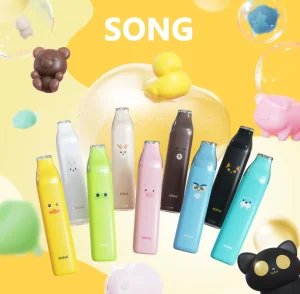
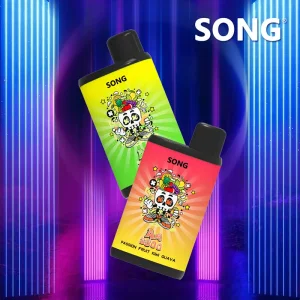

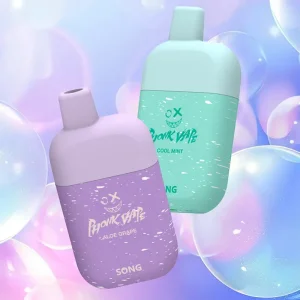
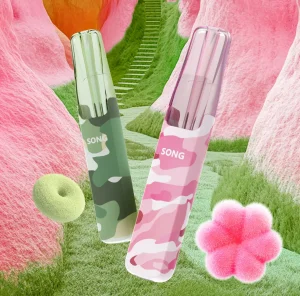
Analyzing the paradigm shift in legal cannabinoid vaporization, consumer demand vectors, and raw supply chain infrastructure.
Tetrahydrocannabinolic Acid (THCA) represents the non-psychoactive precursor to Delta-9-THC. When exposed to rapid thermal energy within an engineered vaporizer heating chamber ($105^\circ\text{C} - 120^\circ\text{C}$), instantaneous decarboxylation occurs, removing the carboxyl group ($-\text{COOH}$) and delivering high-purity vapor with maximum bioavailability.
Leveraging legal frameworks such as the U.S. 2018 Farm Bill, hemp-derived THCA products containing less than 0.3% Delta-9-THC on a dry-weight basis have created a multi-billion dollar legal market. Wholesale distributors require factory partners capable of manufacturing hardware compliant with strict heavy-metal leaching and testing thresholds.
Modern consumers demand full-spectrum terpene preservation. Standard botanical e-liquid atomizers fail when processing high-viscosity THCA crystallites and live rosin blends. B2B buyers must partner with specialized factories supplying sub-ohm ceramic core technology engineered specifically for extract fluid dynamics.
Bridging materials science, thermal dynamics, and micro-electronics to eliminate oil clogging, burn tastes, and crystallization locks.
High-concentration THCA distillate tends to recrystallize at room temperature, blocking standard airway shafts. Next-generation factory solutions integrate an automated pre-heating cycle paired with dual-ventilation paths.
Traditional metal central posts risk heavy metal leaching when exposed to acidic terpenes over long storage cycles. Factory ODM/OEM lines now transition to postless, quartz glass, and medical PCTG chambers.
Adapting hardware specifications to geographical preferences, regulatory constraints, and retail consumption habits.
In the United States and Canada, consumer preference leans heavily toward large-capacity disposables (2.0mL, 3.0mL, and 5.0mL format tanks) featuring high-output rechargeable Type-C ports, battery level indicators, and variable wattage toggles.
European distributors operate under strict regulatory oversight demanding 2.0mL capacity thresholds, child-resistant mechanisms, and full CE/RoHS material disclosures. Preferred hardware emphasizes sleek, stealth-focused pen designs.
Emerging markets prioritize price-to-performance ratio and modular compatibility. OEM solutions feature universal 510-thread batteries, replaceable pre-filled pods, and robust shell casings resistant to extreme environmental humidity.
How Shenzhen’s advanced industrial cluster delivers unmatched cost efficiency, agile prototyping, and rigorous automated quality control.
From initial CAD rendering and 3D industrial printing to functional sample delivery in under 7 business days, shortening time-to-market dramatically.
Manufactured inside Class 100,000 dust-free cleanrooms. Automated oil-filling machine integration guarantees 99.8% volumetric consistency per unit.
In-house battery cell manufacturing, injection molding, SMT mounting, and packaging printing eliminate intermediary markups, reducing unit costs by 20–35%.
Full spectrum testing protocols including negative pressure altitude simulation, high-temperature humidity bake tests, and automated drop resistance evaluation.
Mitigating legal, customs, and operational risks through end-to-end documentation transparency and laboratory validation.
Navigating global import customs requires rigorous product documentation. Partnering with SONG Technology ensures your shipments arrive backed by certified analytical testing provided by third-party ISO/IEC 17025 accredited laboratories.
When placing an enterprise OEM order, our engineering desk coordinates:
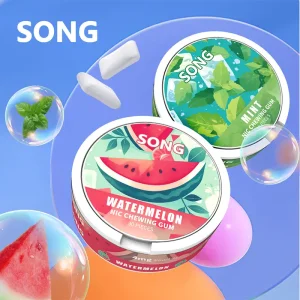
Explore high-capacity disposable platforms, nicotine pouch lines, and custom series manufactured for global brand distribution.
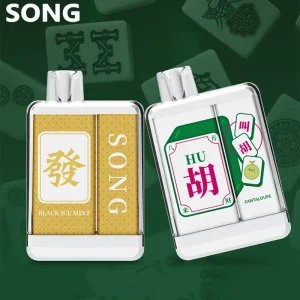
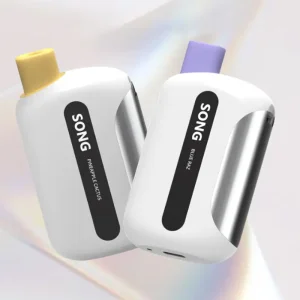
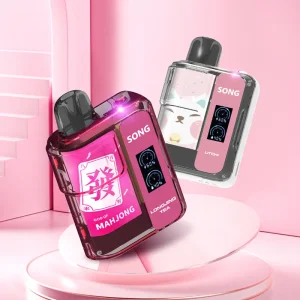

Expert answers addressing hardware compatibility, minimum order quantities, compliance, and custom engineering inquiries.
THCA distillates and live resin extracts exhibit vastly higher dynamic viscosity and require specific thermodynamic heating curves ($105^\circ\text{C} - 120^\circ\text{C}$) to induce instant decarboxylation without scorching terpenes. Standard e-cigarette cotton coils burn out instantly when loaded with thick extracts. THCA hardware utilizes specialized microporous ceramic heating elements with custom oil intake aperture sizes (1.6mm to 2.4mm) tailored specifically to fluid thickness.
SONG hardware incorporates dual-airway structural engineering and PTC micro-preheating technology. The primary air passage stays free from residual oil accumulation, while the pre-heating mechanism gently warms the ceramic chamber before inhalation, liquefying crystalline THCA formations instantly for smooth, uninterrupted vapor flow.
For standard unbranded hardware in stock, minimum order quantities start as low as 500 units. Custom OEM projects involving bespoke color anodizing, custom logo printing, and specialized oil hole configurations typical MOQs are 2,000 to 5,000 units per model. Prototyping takes 5–7 business days, with full mass production completed within 15–20 days.
Yes. Every hardware platform manufactured by SONG Technology undergoes rigorous testing in independent ISO/IEC accredited laboratories. We provide comprehensive heavy metal analysis (testing negative for lead, cadmium, arsenic, and mercury), battery safety MSDS/UN38.3 certification, and RoHS material compliance documentation required for seamless customs clearance.
Absolutely. We build device configurations precisely tuned to your destination market's regulatory frameworks. For EU markets, we deliver 2.0mL capacity tamper-evident hardware with child-resistant closures. For North American buyers, we supply multi-gram (3.0mL - 5.0mL) high-output rechargeable devices engineered to comply with state-level testing protocols.