Standard-setting hardware architecture, high-consistency flavor retention, and TPD/FDA market-ready disposable vape formulations directly from our certified manufacturing facility.
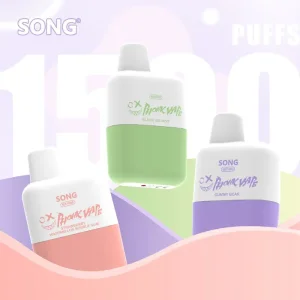

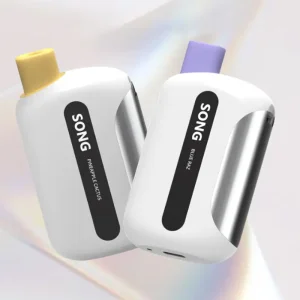
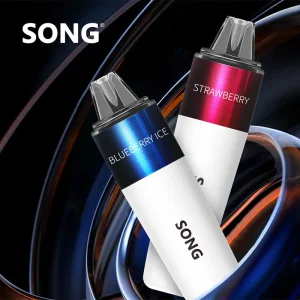

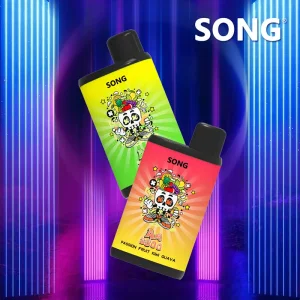
An authoritative analysis of hardware supply chains, international volume shifts, automated production throughput, and market penetration strategies across major geopolitical zones.
The contemporary electronic nicotine delivery system (ENDS) landscape has undergone a seismic shift toward ultra-compact, high-efficiency disposable vape bars. Driven by consumer demand for ergonomic portability, zero-maintenance operation, and immediate flavor gratification, the global disposable vape market has evolved from a niche alternative into a multi-billion-dollar core sector of modern CPG (Fast-Moving Consumer Goods).
As a premiere wholesale vape bar manufacturer and factory, our operations sit at the epicenter of this industrial evolution. Geographically anchored in the world's primary electronic manufacturing clusters, our production ecosystem synthesizes raw chemical synthesis, advanced metallurgy, micro-electronics, and food-grade polymer molding into an integrated, agile enterprise supply system.
Modern B2B vape sourcing demands far more than basic assembly. Institutional distributors, national retail networks, and regional brand owners face volatile shipping logistics, stringent customs scrutiny, and unpredictable shift in consumer taste profiles. Operating directly at the factory level eliminates intermediary overhead and grants brand owners complete governance over product integrity.
Through vertical integration, our factory directly controls e-liquid blending labs, SMT (Surface Mount Technology) circuit board mounting, automated coil wrapping, sonic welding of liquid reservoirs, and multi-stage leak-testing protocols under ISO Class 7 cleanroom conditions. This end-to-end oversight ensures strict batch-to-batch consistency and safeguards supply chain resilience.
An in-depth technical analysis of heating matrices, liquid stabilization technology, smart MCU integration, and eco-conscious material science powering next-generation vape bars.
Traditional single-wire cotton coils are obsolete in high-capacity disposable hardware. Modern vape bars utilize micro-etched dual mesh heating elements operating in alternating or parallel frequencies. By distributing electrical resistance across a larger surface area (typically 0.8Ω to 1.2Ω), thermal degradation of e-liquid ingredients is prevented, ensuring zero burnt taste even at low liquid reserves.
Consumer expectations have shifted from static hardware to dynamic interaction. Integrated low-power Microcontroller Units (MCUs) drive real-time digital screens displaying exact battery capacity, e-liquid level indicators, and variable wattage outputs. Our factory integrates custom chipsets featuring low quiescent current (<5µA) to prevent shelf-life battery drain during transoceanic shipping.
Leaking remains the single largest vector for warranty claims in wholesale distribution. Our R&D engineering has developed multi-stage condensation collection chambers, oil-absorbent isolation pads, and pressure-equalized airflow pathways. Combined with high-precision ultrasonic casing seals, our vape bars withstand ambient air pressure fluctuations during air freight transport.
Beyond hardware mechanics, the thermodynamic interaction between heating elements and e-liquid formulations determines market success. Our chemical engineering team focuses on optimizing PG/VG (Propylene Glycol to Vegetable Glycerin) mass ratios matched to specific coil pore sizes. Utilizing high-purity pharmaceutical-grade nicotine salts (chemically synthesized via organic acid protonation), our vape bars achieve rapid nicotine absorption without harsh throat hit profiles, preserving structural flavor top-notes from initial puff to device depletion.
Navigating global compliance challenges requiring bespoke hardware engineering, precise chemical limitations, and specialized market packaging.
For brands operating in the EU and UK, adherence to Article 20 of the Tobacco Products Directive (TPD) is mandatory:
Entering the North American retail ecosystem requires compliance with FDA Premarket Tobacco Product Application (PMTA) standards:
Developing regions demand flexible product specs tailored to local purchasing power and evolving legal frameworks:
Our facility's strategic investments in automation, eco-friendly materials, and smart diagnostic vaporization devices over the next decade.
Addressing environmental concerns surrounding disposable lithium batteries and single-use plastics. Our factory is pioneering modular disposable designs featuring quick-release pure cobalt batteries for rapid recycling separation, coupled with post-consumer recycled (PCR) plastics and biodegradable polylactic acid (PLA) outer casings.
Replacing traditional lithium-ion pouch cells with solid-state battery architecture. Solid-state cells offer higher energy density in smaller footprints, complete elimination of thermal runaway risks, and ultra-fast charging capability (0% to 80% charge in under 10 minutes) for high-puff count rechargeable disposable devices.
Integrating micro-sensors within the atomizer structure that monitor core coil temperature in real-time (over 1,000 times per second). Dynamic PID control loops adjust voltage instantly to match puff velocity, completely mitigating dry-hit occurrences and ensuring chemical stability across varied user inhalation dynamics.
How our centralized factory execution transforms concept sketches into market-dominating wholesale products in under 30 days.
Our master flavorists engineer proprietary e-liquid recipes tailored to target demographics. Utilizing gas chromatography-mass spectrometry (GC-MS) testing, we ensure pure compound safety, stability during thermal vapor state, and consistent sweetness or cooling levels.
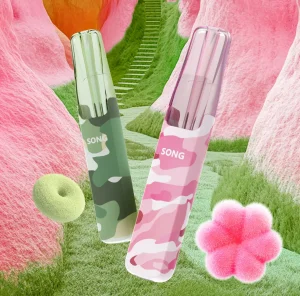
From ergonomic mouthpiece sculpting to custom surface finishes (rubberized matte, electroplated metallic, leather trim, camouflage CNC patterns), our CAD engineers produce rapid 3D prototypes followed by high-precision steel injection molds.
Before leaving the factory floor, 100% of finished units pass through automated testing batteries: negative-pressure altitude simulation, high-temperature thermal shock (60°C to -20°C storage), auto-draw sensor sensitivity, and battery drop-voltage metrics.
High-capacity tanks, innovative series designs, and customized private-label options tailored for volume wholesale procurement.


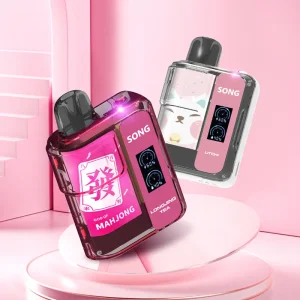
Addressing critical operational, legal, technical, and logistics queries for international vape distributors and wholesale importers.
Our baseline factory Minimum Order Quantity (MOQ) for standard catalog products with customized logo printing starts at 1,000 to 3,000 units per flavor profile. For full ODM engineering projects requiring custom plastic injection tooling, specialized battery enclosure design, and bespoke retail display boxes, the typical MOQ is 10,000 units per model, broken down into minimums of 2,000 to 3,000 units per flavor strain.
We provide full turnkey TPD (Tobacco Products Directive) engineering. This includes strictly calibrating oil reservoir volumes to 2.0mL, capping nicotine strength at 20mg/mL, utilizing child-resistant and tamper-evident casing materials, and providing complete chemical emissions testing reports (such as testing for carbonyls, heavy metals, and acrolein). Furthermore, we supply full technical dossiers (EC-ID documentation) required for importer portal submission to national authorities such as the MHRA (UK) and EU CEG system.
Our manufacturing facility operates under ISO 9001 and ISO 13485 quality management systems. 100% of manufactured units undergo automated pressure-drop vacuum chamber testing to simulate cargo airplane depressurization, preventing leakages. Battery cells are sourced exclusively from certified pure cobalt suppliers featuring UL, CE, and UN38.3 certifications, undergoing 48-hour burn-in aging tests prior to final assembly.
Yes. We offer both turnkey e-liquid formulation (developed in our cleanroom laboratories) and customer-supplied oil integration (OEM filling). If supplying your own e-liquid, our chemical team conducts viscosity, flash point, and coil compatibility testing to ensure optimal vaporization stability and wick saturation before full-scale automated production runs.
For standard catalog OEM products with packaging customization, lead times are typically 12 to 15 business days following sample sign-off. For complex ODM projects requiring new industrial tooling, mold development takes approximately 25 to 30 days, followed by 10 to 14 days for initial mass production. Air freight shipping averages 5 to 8 days globally, while sea or rail freight ranges from 20 to 35 days depending on destination port logistics.
We maintain an industry-leading defect threshold below 0.05%. In the event of functional manufacturing defects (e.g., auto-fire sensor malfunction or dead-on-arrival batteries), we provide a 1:1 replacement ratio on your subsequent shipment order upon receipt of video diagnostic verification and batch lot numbers. All production lots feature unique laser-etched tracking codes for immediate root-cause laboratory analysis.